
Your dashboard lights up. Your car starts making a new noise. Something smells weird. And your immediate question is probably: “Can I keep driving my car like this?” Sometimes the answer is yes—for now. Sometimes it’s “schedule an appointment.” And sometimes it’s “pull over and shut the car off.” Here are six warning signs that can help you know the difference. 1. Flashing Check Engine Light STOP DRIVING Can you drive with a flashing Check Engine Light? You shouldn’t keep driving normally. A flashing Check Engine Light can indicate an active misfire severe enough to damage the catalytic converter. Find a safe place to pull over and shut the vehicle off. What about a solid Check Engine Light when the car seems to run normally? SCHEDULE IT It still needs attention, but it doesn’t always mean you need to stop immediately. 2. Temperature Gauge Suddenly in the Red STOP DRIVING If your temperature gauge climbs into the red or you see an overheating warning, continuing to drive can cause serious engine damage. Pull over safely and shut the engine off. Don’t open a hot cooling system. 3. Oil-Pressure Warning Light STOP DRIVING The oil-pressure warning light is different from an oil-change reminder. Low oil pressure can mean the engine isn’t getting the lubrication it needs. Continuing to drive could cause major engine damage. 4. Smoke Coming From Your Car STOP DRIVING Smoke from under the hood, exhaust, or another area of the vehicle deserves immediate attention—especially if it’s accompanied by a warning light, overheating, loss of power, or a strong smell. Pull over somewhere safe and shut the vehicle off. 5. Sudden Loss of Power STOP DRIVING If your car suddenly loses significant power, struggles to accelerate, or behaves unpredictably, don’t try to push it the rest of the way down Route 422 just to make it home. Get somewhere safe and have the vehicle evaluated. 6. A New Noise or Smell This one depends on what you’re experiencing. SCHEDULE IT: A small new noise while the vehicle otherwise drives normally. STOP DRIVING: Burning smells, strong fuel odors, smoke, major grinding, or a symptom that suddenly affects how the vehicle drives.
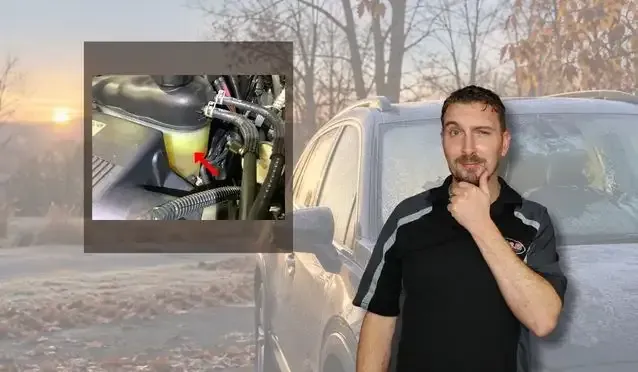
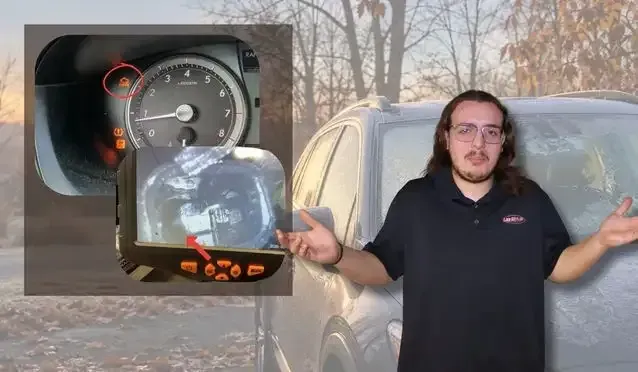
You turn the heat all the way up. The fan is blasting. Ten minutes later, you’re still driving through Berks County wearing gloves inside your car.
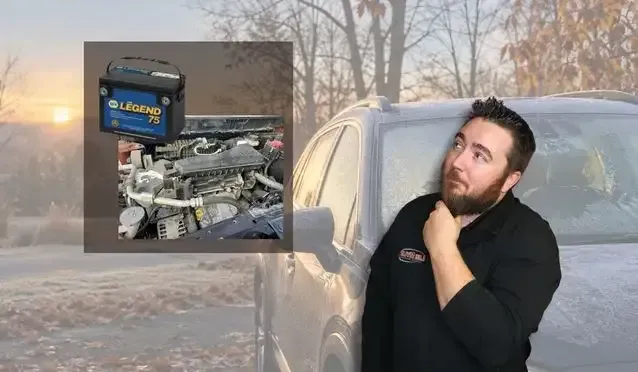
It’s a cold morning in Berks County. You start the car, turn the heat up, and let it sit while you finish getting ready.
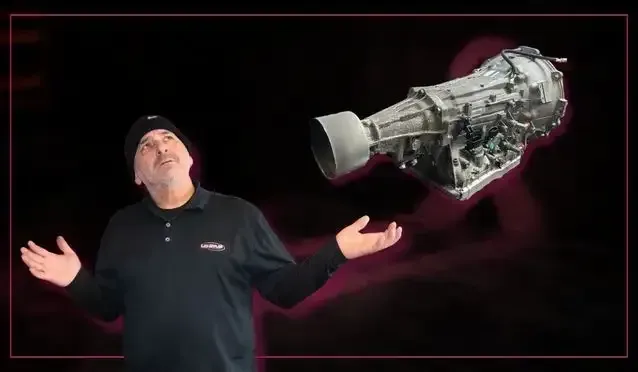
“My transmission is going.”
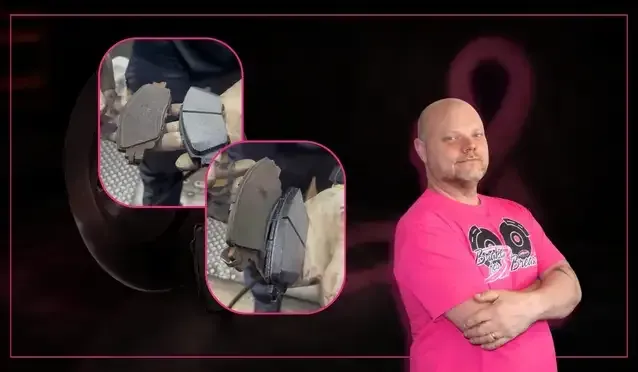
There are some automotive myths that are harmless.
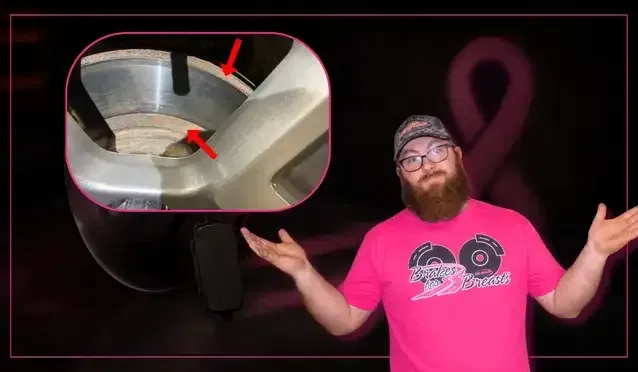
One of the most common questions people have when they hear they need brakes is:
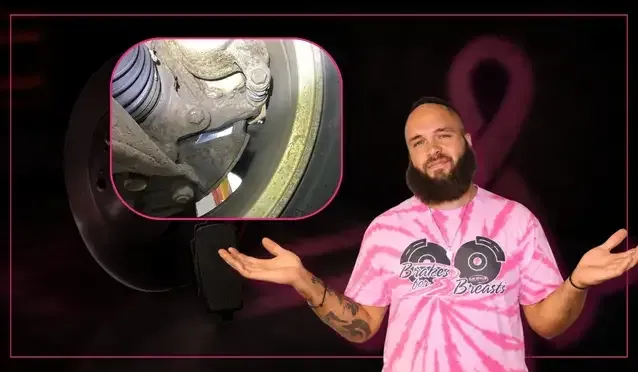
Your car should not have its own soundtrack.

October is here, which means Brakes for Breasts is back at Lee Myles Southeast PA.

If you've ever searched, "Why is my car shifting weird?" or "My transmission hesitates when I accelerate," you're not alone.
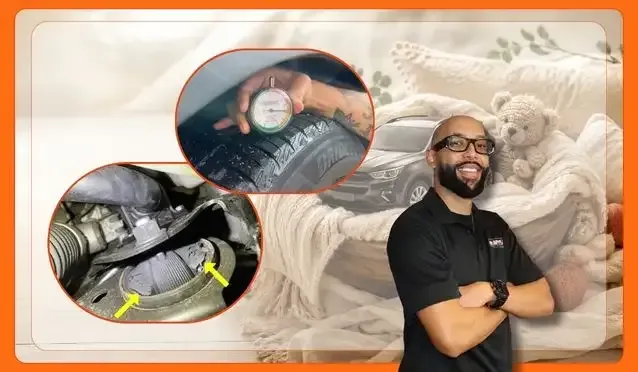
When people think about keeping their family safe in the car, they usually think about car seats, booster seats, and making sure everyone is buckled up.