What Do Squeaking, Grinding, and Other Brake Noises Mean?

Lee Myles Auto Care & Transmissions • October 7, 2026

Share this article

Your car should not have its own soundtrack. 

A little squeak every once in a while may not mean something serious, but persistent squeaking, grinding, scraping, or vibration while braking deserves attention. 

The tricky part is that different brake noises can point to different problems. The sound itself can give us a clue, but an inspection is what tells us what is actually happening. 

Here are some of the most common brake noises drivers hear and what they may mean. 

Why are my brakes squeaking? 

One common cause of brake squeaking is a brake pad wear indicator. 

Some brake pads have a small metal indicator designed to contact the rotor once the pad material gets low. That creates the high-pitched squealing or squeaking sound that tells you it is time to have the brakes checked. 

Brake squeaks can have other causes too. Moisture, surface rust, brake dust, or certain pad materials can sometimes create temporary noise. 

The important distinction is whether the sound happens occasionally or keeps coming back. 

If your brakes consistently squeak when you stop, don’t just assume it is normal. 

What does grinding when braking mean? 

Grinding is a much more serious sound. 

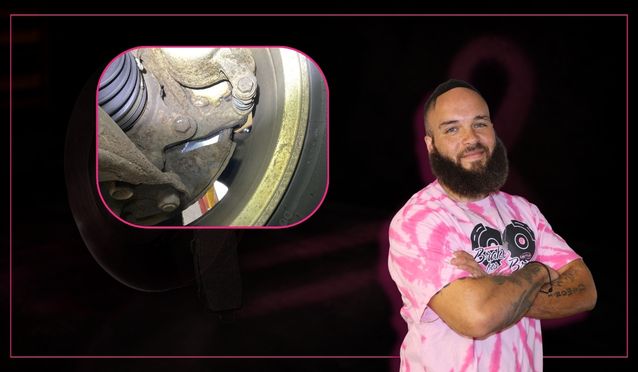
If the brake pad material wears away far enough, metal components can begin contacting the rotor. 

At that point, you may no longer be dealing with a simple brake pad replacement. Continuing to drive can damage the rotor and potentially other braking components. 

In other words, grinding is not the sound to wait on. 

Why do my brakes make a scraping noise? 

A scraping sound can come from several different places. 

It could involve debris near the brake assembly, corrosion, worn brake hardware, damaged pads, or another component contacting something it shouldn’t. 

Because several different problems can create similar noises, this is one of those situations where listening to a video online probably isn’t going to diagnose your car. 

An inspection will. 

Why does my steering wheel shake when I brake? 

If you feel a vibration or pulsation while braking, especially through the steering wheel or brake pedal, the braking surface may not be completely even. 

Rotor thickness variation, heat damage, or other brake and suspension concerns can contribute to that feeling. 

Again, the symptom gives us somewhere to start looking. It does not automatically tell us which part needs to be replaced. 

What if my brakes were squeaking and then stopped? 

This one gets people. 

If a brake pad wear indicator was causing the squeaking, that small indicator can eventually wear down too. 

That means the noise can stop even though the brake pads are still worn. 

Your brakes did not heal themselves. 

And if you wait long enough, the next sound you hear may be grinding—which usually means you waited too long. 


Have brake noises checked before they get louder 

Brake problems are usually less complicated when they are caught early. 

If your vehicle has recently added squeaking, grinding, scraping, or shaking to its playlist, October is an especially good time to have us take a look. 

During Brakes for Breasts, Lee Myles Southeast PA is offering free brake pads with the purchase of rotors and labor through October 31, while donating 10% of qualifying brake service to the Cleveland Clinic Breast Cancer Vaccine Research Fund. 

Your car’s playlist should probably stick to Spotify. 

Recent Posts

A presenter gestures beside a car, with inset images showing a dashboard gauge and a handheld diagnostic device.
November 18, 2026
Your dashboard lights up. Your car starts making a new noise. Something smells weird. And your immediate question is probably: “Can I keep driving my car like this?” Sometimes the answer is yes—for now. Sometimes it’s “schedule an appointment.” And sometimes it’s “pull over and shut the car off.” Here are six warning signs that can help you know the difference. 1. Flashing Check Engine Light STOP DRIVING Can you drive with a flashing Check Engine Light? You shouldn’t keep driving normally. A flashing Check Engine Light can indicate an active misfire severe enough to damage the catalytic converter. Find a safe place to pull over and shut the vehicle off. What about a solid Check Engine Light when the car seems to run normally? SCHEDULE IT It still needs attention, but it doesn’t always mean you need to stop immediately. 2. Temperature Gauge Suddenly in the Red STOP DRIVING If your temperature gauge climbs into the red or you see an overheating warning, continuing to drive can cause serious engine damage. Pull over safely and shut the engine off. Don’t open a hot cooling system. 3. Oil-Pressure Warning Light STOP DRIVING The oil-pressure warning light is different from an oil-change reminder. Low oil pressure can mean the engine isn’t getting the lubrication it needs. Continuing to drive could cause major engine damage. 4. Smoke Coming From Your Car STOP DRIVING Smoke from under the hood, exhaust, or another area of the vehicle deserves immediate attention—especially if it’s accompanied by a warning light, overheating, loss of power, or a strong smell. Pull over somewhere safe and shut the vehicle off. 5. Sudden Loss of Power STOP DRIVING If your car suddenly loses significant power, struggles to accelerate, or behaves unpredictably, don’t try to push it the rest of the way down Route 422 just to make it home. Get somewhere safe and have the vehicle evaluated. 6. A New Noise or Smell This one depends on what you’re experiencing. SCHEDULE IT: A small new noise while the vehicle otherwise drives normally. STOP DRIVING: Burning smells, strong fuel odors, smoke, major grinding, or a symptom that suddenly affects how the vehicle drives.
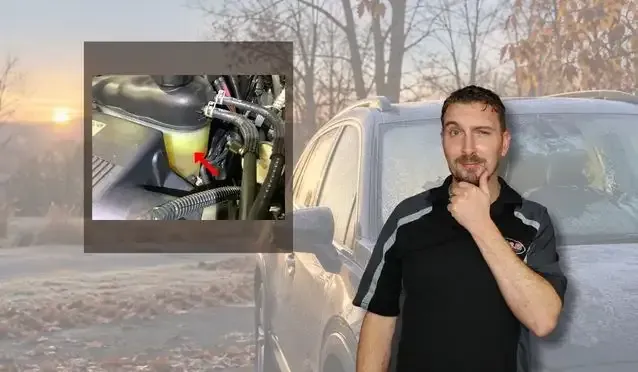
A man in a black shirt stands beside a vehicle, with an inset showing its open engine compartment.
By Lee Myles Auto Care & Transmissions • November 11, 2026
You turn the heat all the way up. The fan is blasting. Ten minutes later, you’re still driving through Berks County wearing gloves inside your car.
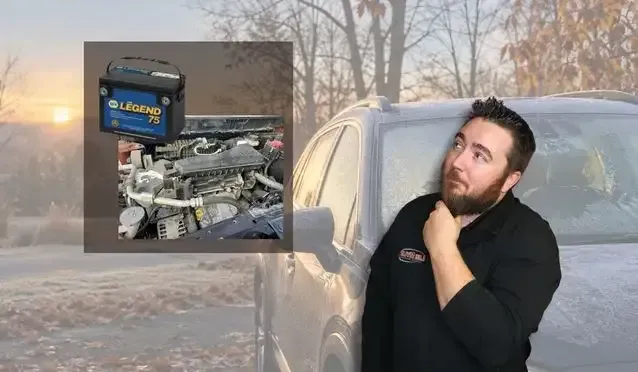
A man in black stands beside a silver vehicle, hand on chin; an inset shows an engine bay with a battery.
By Lee Myles Auto Care & Transmissions • November 4, 2026
It’s a cold morning in Berks County. You start the car, turn the heat up, and let it sit while you finish getting ready.
A presenter gestures beside a floating cutaway model of a mechanical assembly against a dark background.
By Lee Myles Auto Care & Transmissions • October 28, 2026
“My transmission is going.”
A person in a bright pink shirt stands with arms crossed beside two inset photos of a gray device.
By Lee Myles Auto Care & Transmissions • October 21, 2026
There are some automotive myths that are harmless.
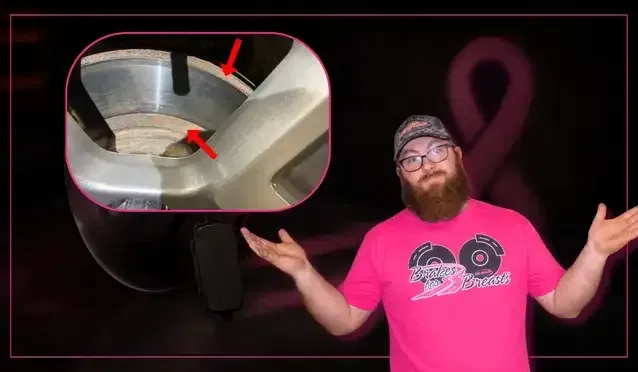
A bearded presenter gestures beside an inset close-up of a metal device with red arrows pointing to its parts.
By Lee Myles Auto Care & Transmissions • October 14, 2026
One of the most common questions people have when they hear they need brakes is:
Two smiling people in matching pink shirts pose beside a vinyl record and pink ribbon, with a breast cancer awareness logo.
By Lee Myles Auto Care & Transmissions • September 30, 2026
October is here, which means Brakes for Breasts is back at Lee Myles Southeast PA.
A man gives two thumbs up beside an inset showing a hand holding a small glass of red liquid.
By Lee Myles Auto Care & Transmissions • September 23, 2026
If you've ever searched, "Why is my car shifting weird?" or "My transmission hesitates when I accelerate," you're not alone.
Smiling technician in a black shirt stands beside two circular close-ups of equipment, framed by a warm orange border.
By Lee Myles Auto Care & Transmissions • September 16, 2026
When people think about keeping their family safe in the car, they usually think about car seats, booster seats, and making sure everyone is buckled up.
A technician works on a car in two inset photos beside a smiling man in a black shirt.
By Lee Myles • September 9, 2026
If you've ever caught yourself asking, "Why is my car pulling to one side?" or "Why are my tires wearing unevenly?" or "Do I need an alignment or new brakes?" —you're not alone.

Show More