Deja de Permitir que el Pago de un Auto Nuevo se Lleve tu Cheque

Lee Myles Auto Care & Transmissions • January 7, 2026

Share this article

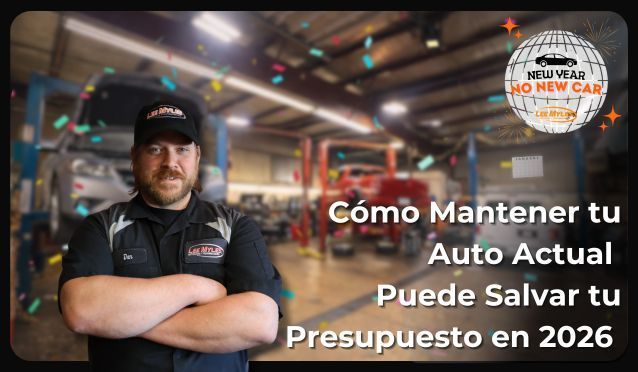
Cómo Mantener tu Auto Actual Puede Salvar tu Presupuesto en 2026 

Enero se supone que se siente como un reinicio.
Nuevo año. Nuevo comienzo. Metas financieras… un poco optimistas. 

Pero para muchas personas, enero también trae algo muy familiar:
ese pago del auto cayendo otra vez en la cuenta bancaria. 

Si alguna vez pensaste:  “Cuando termine de pagar este carro, por fin voy a respirar,”  no estás exagerando. Los pagos del auto se comen tu dinero mes tras mes, y la mayoría de la gente subestima el estrés que realmente causan. 

En Lee Myles Auto Care & Transmissions, hablamos con conductores en Reading (19607), Birdsboro (19508), Sinking Spring (19608) y Wyomissing (19610) que no necesitan un auto nuevo.
Lo que necesitan es liberarse del pago mensual. 

Veamos lo que mantener tu auto actual solo un año más puede hacer por tu presupuesto de 2026. 


El Costo Real de un Pago de Auto (En Un Año) 

Un pago “normal” de auto en 2026 suele verse así: 

  • Pago mensual:  $650–$750  
  • Tasa de interés:  7–10%  
  • Seguro más caro:  $80–$150 adicionales al mes  

En 12 meses, eso suma: 

  • Pagos:  $7,800–$9,000  
  • Aumento del seguro:  $1,000+  
  • Total anual:  $9,000–$10,500  

Ese dinero simplemente desaparece. 


Ahora Compáralo con Mantener tu Auto Actual 

La mayoría de los conductores gasta mucho menos en mantenimiento y reparaciones de lo que imagina. 

Costos anuales comunes: 

  • Cambios de aceite, frenos, filtros y fluidos 
  • Reparaciones menores 
  • Mantenimiento preventivo 

Incluso con un año de  $2,000–$3,000 , sigues ahorrando miles en comparación con un pago mensual — y mantienes control de tu dinero. 


Por Qué los Pagos del Auto Pesan Tanto 

La verdad desde las finanzas conductuales:
No solo sentimos el costo — sentimos la falta de control. 

Un pago mensual: 

  • Te obliga cada mes 
  • Hace que cualquier gasto inesperado sea más estresante 
  • Te encierra en una decisión 

Las reparaciones son diferentes. Tú decides qué hacer y cuándo hacerlo. 


Las Matemáticas del Concesionario vs. la Vida Real 

“Solo son $38 más al mes.”
“Protección de tela por solo $499.”
“Paquete obligatorio.” 

Todo eso suma miles. 

Las reparaciones son claras. Arreglas lo que importa y sigues adelante. 


Preguntas Comunes 

¿Cuánto puedo ahorrar manteniendo mi auto un año más?
La mayoría ahorra entre  $6,000 y $8,000  en un solo año. 

¿Y si necesita una reparación grande?
Incluso así, suele costar menos que un año de pagos e incremento de seguro. 

¿Cómo sé si vale la pena quedarme con mi auto?
Con una inspección honesta y un plan claro. 


Año Nuevo. Sin Auto Nuevo. Más Tranquilidad. 

En Lee Myles Auto Care & Transmissions, ayudamos a conductores del Condado de Berks a planificar con lógica — no con presión. 

A veces, el mejor reinicio financiero…
es terminar con el pago. 

Recent Posts

A presenter gestures beside a car, with inset images showing a dashboard gauge and a handheld diagnostic device.
November 18, 2026
Your dashboard lights up. Your car starts making a new noise. Something smells weird. And your immediate question is probably: “Can I keep driving my car like this?” Sometimes the answer is yes—for now. Sometimes it’s “schedule an appointment.” And sometimes it’s “pull over and shut the car off.” Here are six warning signs that can help you know the difference. 1. Flashing Check Engine Light STOP DRIVING Can you drive with a flashing Check Engine Light? You shouldn’t keep driving normally. A flashing Check Engine Light can indicate an active misfire severe enough to damage the catalytic converter. Find a safe place to pull over and shut the vehicle off. What about a solid Check Engine Light when the car seems to run normally? SCHEDULE IT It still needs attention, but it doesn’t always mean you need to stop immediately. 2. Temperature Gauge Suddenly in the Red STOP DRIVING If your temperature gauge climbs into the red or you see an overheating warning, continuing to drive can cause serious engine damage. Pull over safely and shut the engine off. Don’t open a hot cooling system. 3. Oil-Pressure Warning Light STOP DRIVING The oil-pressure warning light is different from an oil-change reminder. Low oil pressure can mean the engine isn’t getting the lubrication it needs. Continuing to drive could cause major engine damage. 4. Smoke Coming From Your Car STOP DRIVING Smoke from under the hood, exhaust, or another area of the vehicle deserves immediate attention—especially if it’s accompanied by a warning light, overheating, loss of power, or a strong smell. Pull over somewhere safe and shut the vehicle off. 5. Sudden Loss of Power STOP DRIVING If your car suddenly loses significant power, struggles to accelerate, or behaves unpredictably, don’t try to push it the rest of the way down Route 422 just to make it home. Get somewhere safe and have the vehicle evaluated. 6. A New Noise or Smell This one depends on what you’re experiencing. SCHEDULE IT: A small new noise while the vehicle otherwise drives normally. STOP DRIVING: Burning smells, strong fuel odors, smoke, major grinding, or a symptom that suddenly affects how the vehicle drives.
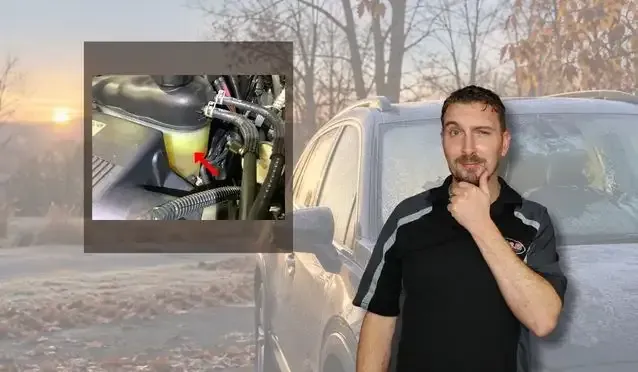
A man in a black shirt stands beside a vehicle, with an inset showing its open engine compartment.
By Lee Myles Auto Care & Transmissions • November 11, 2026
You turn the heat all the way up. The fan is blasting. Ten minutes later, you’re still driving through Berks County wearing gloves inside your car.
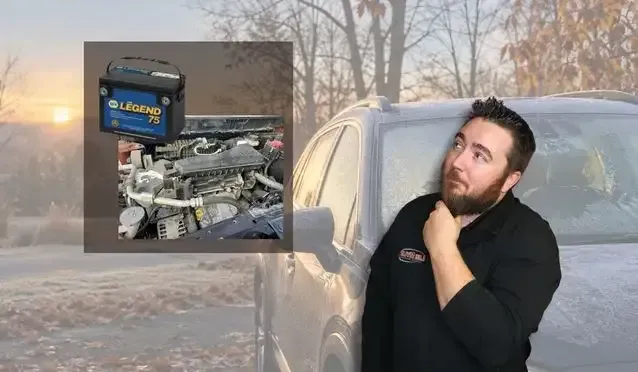
A man in black stands beside a silver vehicle, hand on chin; an inset shows an engine bay with a battery.
By Lee Myles Auto Care & Transmissions • November 4, 2026
It’s a cold morning in Berks County. You start the car, turn the heat up, and let it sit while you finish getting ready.
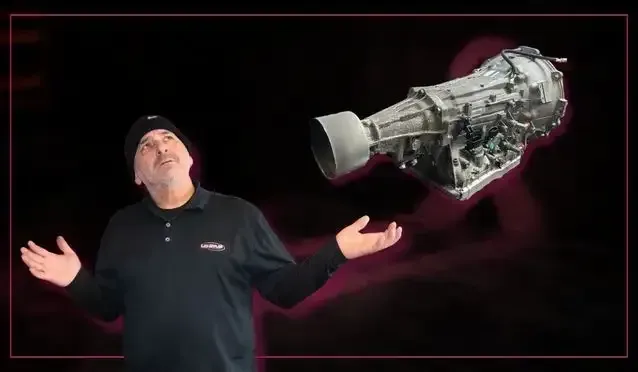
A presenter gestures beside a floating cutaway model of a mechanical assembly against a dark background.
By Lee Myles Auto Care & Transmissions • October 28, 2026
“My transmission is going.”
A person in a bright pink shirt stands with arms crossed beside two inset photos of a gray device.
By Lee Myles Auto Care & Transmissions • October 21, 2026
There are some automotive myths that are harmless.
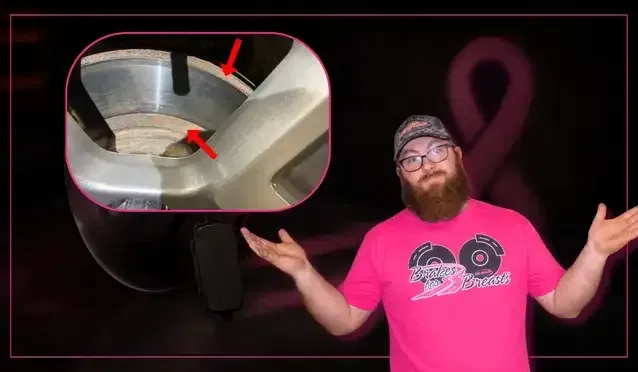
A bearded presenter gestures beside an inset close-up of a metal device with red arrows pointing to its parts.
By Lee Myles Auto Care & Transmissions • October 14, 2026
One of the most common questions people have when they hear they need brakes is:
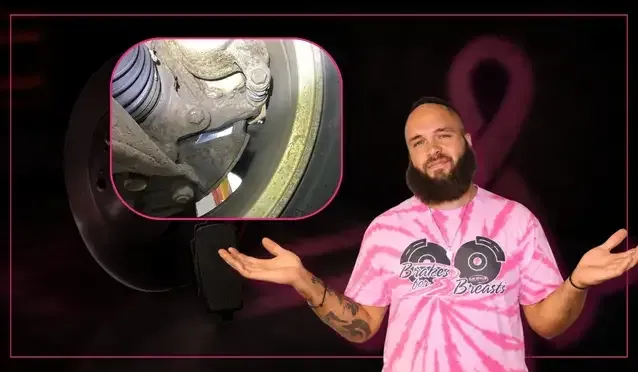
Bearded presenter in a pink graphic shirt gestures toward an inset close-up of a mechanical part.
By Lee Myles Auto Care & Transmissions • October 7, 2026
Your car should not have its own soundtrack.

Two smiling people in matching pink shirts pose beside a vinyl record and pink ribbon, with a breast cancer awareness logo.
By Lee Myles Auto Care & Transmissions • September 30, 2026
October is here, which means Brakes for Breasts is back at Lee Myles Southeast PA.
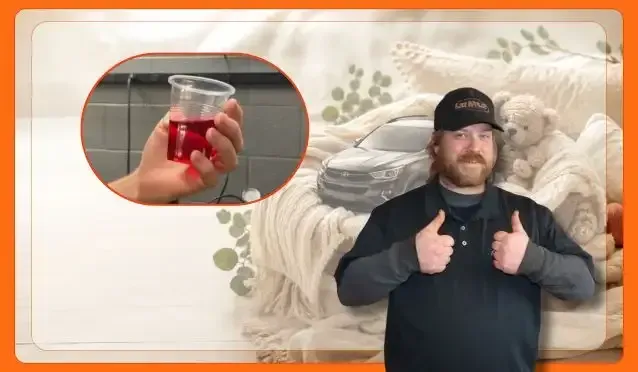
A man gives two thumbs up beside an inset showing a hand holding a small glass of red liquid.
By Lee Myles Auto Care & Transmissions • September 23, 2026
If you've ever searched, "Why is my car shifting weird?" or "My transmission hesitates when I accelerate," you're not alone.
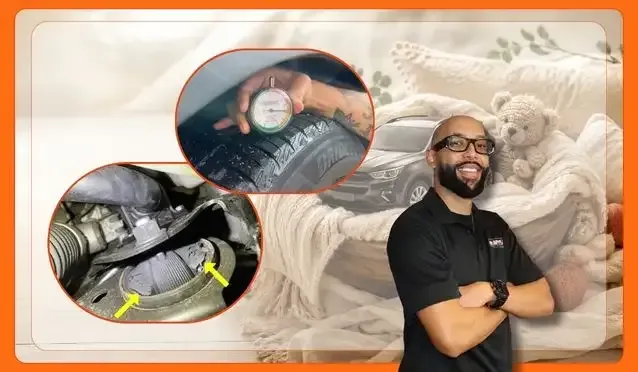
Smiling technician in a black shirt stands beside two circular close-ups of equipment, framed by a warm orange border.
By Lee Myles Auto Care & Transmissions • September 16, 2026
When people think about keeping their family safe in the car, they usually think about car seats, booster seats, and making sure everyone is buckled up.

Show More