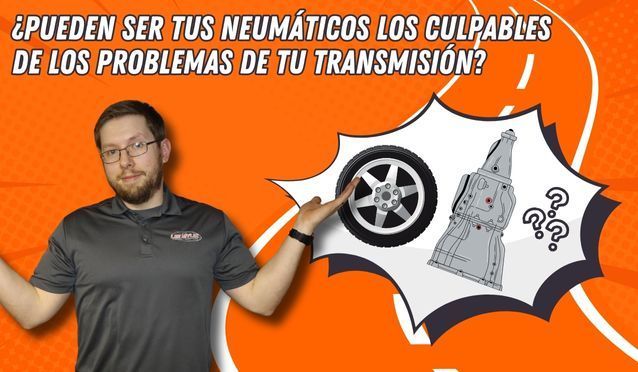
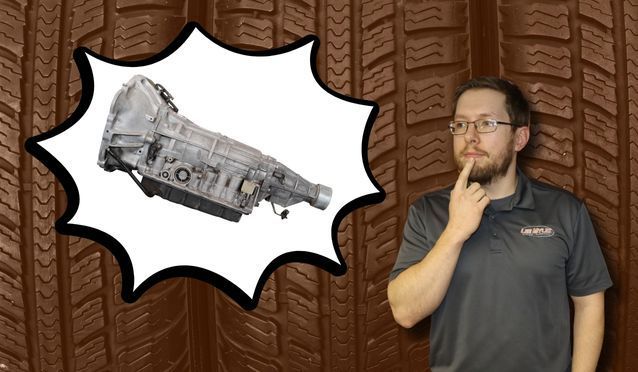
¿Pueden ser tus neumáticos los culpables de los problemas de tu transmisión?

Lee Myles Auto Care & Transmissions • September 24, 2025

Share this article


Cuando piensas en la reparación de la transmisión o en problemas de la línea de transmisión, tus neumáticos son probablemente lo último que se te viene a la mente. Después de todo, solo te conectan con la carretera, ¿verdad? Pero, ¿qué pasaría si te dijéramos que tus ruedas y neumáticos pueden, de hecho, causar daños graves y a largo plazo a los componentes más caros de tu coche? 

En Lee Myles Auto Care & Transmissions, queremos que entiendas la sorprendente conexión entre tus neumáticos y la salud general de tu coche. Aquí está lo que necesitas saber. 

Pregunta Común: ¿Realmente importa el tamaño de mi neumático para la transmisión? 

¡Absolutamente! El sistema informático de tu vehículo (incluyendo la Unidad de Control de la Transmisión, o TCU) es un sistema súper inteligente que se basa en datos precisos. Utiliza las lecturas del sensor de velocidad de las ruedas para determinar qué tan rápido vas, lo que le indica cuándo cambiar de marcha. 

Si el diámetro de tu neumático no es el correcto, los sensores enviarán datos incorrectos. Esto puede hacer que tu transmisión cambie de marcha en el momento equivocado, ya sea demasiado pronto o demasiado tarde. Con el tiempo, estos cambios incorrectos causan un estrés indebido, lo que lleva a un desgaste prematuro de los componentes de la transmisión. Esto también afecta tu eficiencia de combustible, costándote más en la bomba. 

Para vehículos con tracción total (AWD) y 4x4, es aún más crítico.  Estos sistemas están diseñados para que las cuatro ruedas giren exactamente a la misma velocidad. Si tienes neumáticos que no coinciden (incluso si son de una marca diferente o tienen diferentes profundidades de banda de rodadura), obligas a los diferenciales y a la caja de transferencia de tu vehículo a trabajar constantemente para compensar. Esto genera un calor y una fricción excesivos, lo que puede llevar a una falla muy costosa de tu tren motriz. 

Nuestro consejo:  siempre asegúrate de que tus neumáticos sean de la misma marca, modelo y tamaño al reemplazarlos. 

Pregunta Común: ¿Pueden las vibraciones de mis ruedas realmente dañar mi coche? 

¡Sí! Las ruedas severamente desequilibradas causan vibraciones que viajan desde tus neumáticos, a través de tu suspensión, hasta tu tren motriz. Si bien lo sentirás como un volante que tiembla o un viaje con baches, las vibraciones también están estresando los componentes vitales de tu coche. Con el tiempo, esto puede llevar a un desgaste acelerado de tus juntas universales y juntas homocinéticas. Estas partes se conectan a la transmisión, y si fallan, pueden poner una tensión adicional en todo el sistema. 

Pregunta Común: ¿Cómo se relaciona un rodamiento de rueda en mal estado con mi transmisión? 

Un rodamiento de rueda desgastado crea un juego excesivo y genera un calor significativo en la rueda. Esta inestabilidad y fricción pueden transferir el estrés hasta los semiejes y, eventualmente, a tu diferencial y transmisión. Si bien un rodamiento de rueda en mal estado no causará directamente una falla en la transmisión, contribuye al desgaste general del tren motriz, acortando la vida útil de los componentes de tu vehículo. 


En Resumen: Protege tu Tren Motriz Prestando Atención a tus Neumáticos 

La salud de tus neumáticos está directamente relacionada con la salud de todo tu vehículo. Al prestar atención a algunas cosas simples, puedes evitar costosas reparaciones futuras: 

  • Tamaño y Tipo de Neumático:  Utiliza siempre el tamaño de neumático recomendado por el fabricante y asegúrate de que las cuatro ruedas sean una combinación perfecta, especialmente en vehículos AWD/4x4. 
  • Balanceo de Neumáticos:  Haz que tus ruedas se equilibren para evitar las vibraciones que pueden estresar tu tren motriz. 
  • Inspecciones:  No ignores una vibración o un ruido de zumbido. Haz que lo revisen antes de que se convierta en un problema mayor. 

En Lee Myles Auto Care & Transmissions, nos especializamos tanto en servicios de neumáticos como en reparación de transmisiones, por lo que vemos esta conexión todos los días. Si tienes alguna preocupación sobre tus neumáticos o la forma en que tu vehículo se conduce, pasa por una de nuestras cuatro ubicaciones convenientes en el condado de Berks, PA. Estamos aquí para brindarte el servicio experto en el que puedes confiar.

Recent Posts

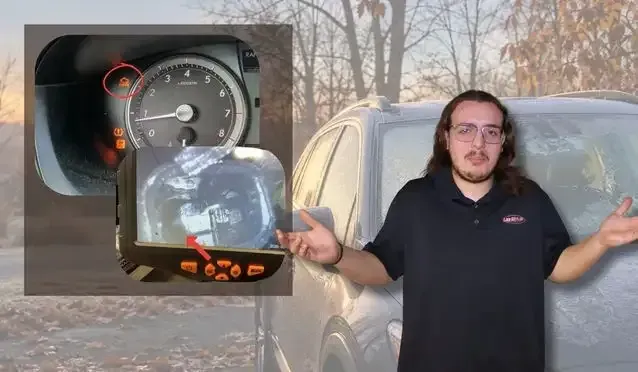
A presenter gestures beside a car, with inset images showing a dashboard gauge and a handheld diagnostic device.
November 18, 2026
Your dashboard lights up. Your car starts making a new noise. Something smells weird. And your immediate question is probably: “Can I keep driving my car like this?” Sometimes the answer is yes—for now. Sometimes it’s “schedule an appointment.” And sometimes it’s “pull over and shut the car off.” Here are six warning signs that can help you know the difference. 1. Flashing Check Engine Light STOP DRIVING Can you drive with a flashing Check Engine Light? You shouldn’t keep driving normally. A flashing Check Engine Light can indicate an active misfire severe enough to damage the catalytic converter. Find a safe place to pull over and shut the vehicle off. What about a solid Check Engine Light when the car seems to run normally? SCHEDULE IT It still needs attention, but it doesn’t always mean you need to stop immediately. 2. Temperature Gauge Suddenly in the Red STOP DRIVING If your temperature gauge climbs into the red or you see an overheating warning, continuing to drive can cause serious engine damage. Pull over safely and shut the engine off. Don’t open a hot cooling system. 3. Oil-Pressure Warning Light STOP DRIVING The oil-pressure warning light is different from an oil-change reminder. Low oil pressure can mean the engine isn’t getting the lubrication it needs. Continuing to drive could cause major engine damage. 4. Smoke Coming From Your Car STOP DRIVING Smoke from under the hood, exhaust, or another area of the vehicle deserves immediate attention—especially if it’s accompanied by a warning light, overheating, loss of power, or a strong smell. Pull over somewhere safe and shut the vehicle off. 5. Sudden Loss of Power STOP DRIVING If your car suddenly loses significant power, struggles to accelerate, or behaves unpredictably, don’t try to push it the rest of the way down Route 422 just to make it home. Get somewhere safe and have the vehicle evaluated. 6. A New Noise or Smell This one depends on what you’re experiencing. SCHEDULE IT: A small new noise while the vehicle otherwise drives normally. STOP DRIVING: Burning smells, strong fuel odors, smoke, major grinding, or a symptom that suddenly affects how the vehicle drives.
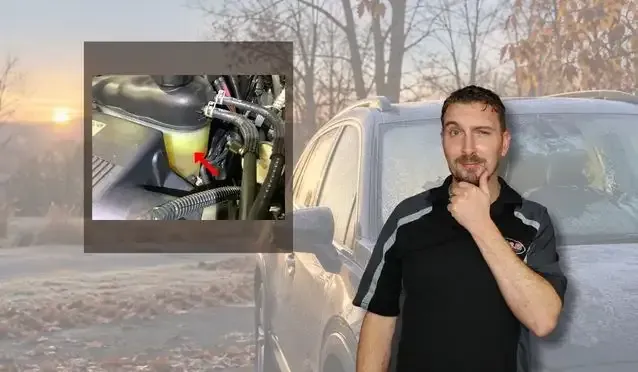
A man in a black shirt stands beside a vehicle, with an inset showing its open engine compartment.
By Lee Myles Auto Care & Transmissions • November 11, 2026
You turn the heat all the way up. The fan is blasting. Ten minutes later, you’re still driving through Berks County wearing gloves inside your car.
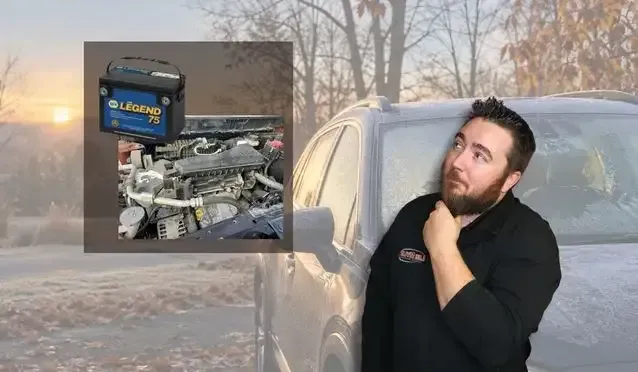
A man in black stands beside a silver vehicle, hand on chin; an inset shows an engine bay with a battery.
By Lee Myles Auto Care & Transmissions • November 4, 2026
It’s a cold morning in Berks County. You start the car, turn the heat up, and let it sit while you finish getting ready.
A presenter gestures beside a floating cutaway model of a mechanical assembly against a dark background.
By Lee Myles Auto Care & Transmissions • October 28, 2026
“My transmission is going.”
A person in a bright pink shirt stands with arms crossed beside two inset photos of a gray device.
By Lee Myles Auto Care & Transmissions • October 21, 2026
There are some automotive myths that are harmless.
A bearded presenter gestures beside an inset close-up of a metal device with red arrows pointing to its parts.
By Lee Myles Auto Care & Transmissions • October 14, 2026
One of the most common questions people have when they hear they need brakes is:
Bearded presenter in a pink graphic shirt gestures toward an inset close-up of a mechanical part.
By Lee Myles Auto Care & Transmissions • October 7, 2026
Your car should not have its own soundtrack.

Two smiling people in matching pink shirts pose beside a vinyl record and pink ribbon, with a breast cancer awareness logo.
By Lee Myles Auto Care & Transmissions • September 30, 2026
October is here, which means Brakes for Breasts is back at Lee Myles Southeast PA.

A man gives two thumbs up beside an inset showing a hand holding a small glass of red liquid.
By Lee Myles Auto Care & Transmissions • September 23, 2026
If you've ever searched, "Why is my car shifting weird?" or "My transmission hesitates when I accelerate," you're not alone.
Smiling technician in a black shirt stands beside two circular close-ups of equipment, framed by a warm orange border.
By Lee Myles Auto Care & Transmissions • September 16, 2026
When people think about keeping their family safe in the car, they usually think about car seats, booster seats, and making sure everyone is buckled up.

Show More