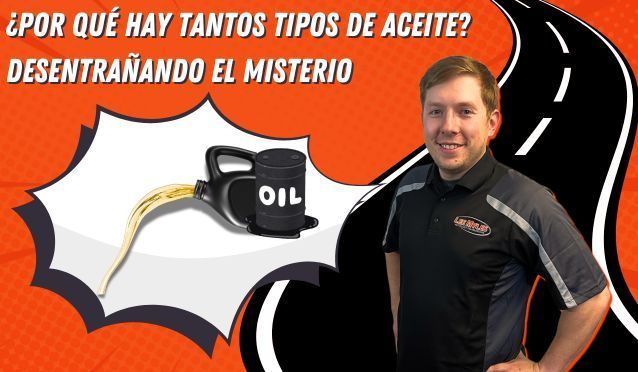
¿Por qué hay tantos tipos de aceite? Desentrañando el misterio

Lee Myles Auto Care & Transmissions • January 2, 2025

Share this article

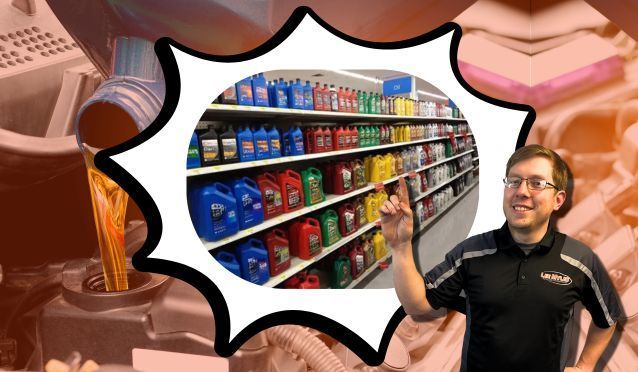
¿Alguna vez has caminado por el pasillo de aceites en una tienda de autopartes y te has sentido abrumado por la gran cantidad de opciones? Con tantos tipos, viscosidades y marcas diferentes, puede ser difícil saber cuál es la adecuada para tu automóvil. En esta publicación de blog, desglosaremos los conceptos básicos del aceite de motor y te ayudaremos a comprender por qué hay tantos tipos diferentes. 

¿Qué es el aceite de motor?  

El aceite de motor es un fluido vital que lubrica y enfría las partes móviles del motor. Reduce la fricción, evita el desgaste y ayuda a disipar el calor. 

¿Por qué hay tantos tipos de aceite de motor?  

Varios factores influyen en el tipo de aceite que necesita su automóvil, incluidos: 

  • Tipo de motor: Diferentes diseños de motores requieren diferentes tipos de aceite. 

  • Condiciones de conducción: Factores como temperaturas extremas, remolque pesado o viajes cortos frecuentes pueden afectar el rendimiento del aceite. 

  • Recomendaciones del fabricante del vehículo: Siempre consulte el manual del propietario de su vehículo para obtener recomendaciones específicas de aceite. 

Comprender la viscosidad del aceite  

Uno de los factores más importantes a considerar al elegir el aceite de motor es su viscosidad. La viscosidad se refiere al grosor o resistencia al flujo del aceite. A menudo se representa con un número, como 5W-30 o 10W-40. 

  • El primer número (por ejemplo, 5 o 10) indica el rendimiento del aceite en clima frío. Un número más bajo significa que el aceite fluye más fácilmente a bajas temperaturas, lo que permite arranques de motor más rápidos y una mejor protección en climas fríos. 

  • El segundo número (por ejemplo, 30 o 40) indica el rendimiento del aceite a altas temperaturas. Un número más alto significa que el aceite puede soportar temperaturas más altas y proporcionar una lubricación adecuada bajo cargas pesadas. 

Aceite sintético vs. convencional  

Otro factor clave a considerar es el tipo de aceite base utilizado para producir el aceite de motor. 

  • Aceite convencional: Este es un tipo tradicional de aceite derivado del petróleo crudo. Proporciona lubricación y protección básicas. 

  • Aceite sintético: Este es un aceite fabricado por el hombre que ofrece un rendimiento superior en términos de resistencia al calor, flujo en climas fríos y protección general del motor. 

¿Por qué elegir aceite sintético?  

Si bien el aceite sintético generalmente es más caro que el aceite convencional, ofrece varias ventajas: 

  • Mejor economía de combustible: Una mejor lubricación reduce la fricción, lo que mejora la eficiencia del combustible. 

  • Protección mejorada del motor: El aceite sintético proporciona una protección superior contra el desgaste, especialmente en condiciones extremas. 

  • Intervalos de cambio de aceite extendidos: El aceite sintético se puede usar con frecuencia durante períodos más largos entre cambios de aceite. 

Elegir el aceite adecuado para su automóvil  

Para garantizar el rendimiento y la longevidad óptimos de su vehículo, es crucial elegir el tipo de aceite correcto. Siempre consulte el manual del propietario de su vehículo o llame a Lee Myles para obtener recomendaciones específicas. 

Si no está seguro de qué aceite es el mejor para su automóvil, no dude en consultar con un técnico calificado de Lee Myles Auto Care & Transmissions. Nuestros expertos pueden ayudarlo a seleccionar el aceite adecuado y proporcionar servicios de mantenimiento profesionales para mantener su vehículo funcionando sin problemas. 

Recuerde, el aceite adecuado puede marcar una gran diferencia en el rendimiento y la longevidad de su automóvil. 

Recent Posts

A presenter gestures beside a car, with inset images showing a dashboard gauge and a handheld diagnostic device.
November 18, 2026
Your dashboard lights up. Your car starts making a new noise. Something smells weird. And your immediate question is probably: “Can I keep driving my car like this?” Sometimes the answer is yes—for now. Sometimes it’s “schedule an appointment.” And sometimes it’s “pull over and shut the car off.” Here are six warning signs that can help you know the difference. 1. Flashing Check Engine Light STOP DRIVING Can you drive with a flashing Check Engine Light? You shouldn’t keep driving normally. A flashing Check Engine Light can indicate an active misfire severe enough to damage the catalytic converter. Find a safe place to pull over and shut the vehicle off. What about a solid Check Engine Light when the car seems to run normally? SCHEDULE IT It still needs attention, but it doesn’t always mean you need to stop immediately. 2. Temperature Gauge Suddenly in the Red STOP DRIVING If your temperature gauge climbs into the red or you see an overheating warning, continuing to drive can cause serious engine damage. Pull over safely and shut the engine off. Don’t open a hot cooling system. 3. Oil-Pressure Warning Light STOP DRIVING The oil-pressure warning light is different from an oil-change reminder. Low oil pressure can mean the engine isn’t getting the lubrication it needs. Continuing to drive could cause major engine damage. 4. Smoke Coming From Your Car STOP DRIVING Smoke from under the hood, exhaust, or another area of the vehicle deserves immediate attention—especially if it’s accompanied by a warning light, overheating, loss of power, or a strong smell. Pull over somewhere safe and shut the vehicle off. 5. Sudden Loss of Power STOP DRIVING If your car suddenly loses significant power, struggles to accelerate, or behaves unpredictably, don’t try to push it the rest of the way down Route 422 just to make it home. Get somewhere safe and have the vehicle evaluated. 6. A New Noise or Smell This one depends on what you’re experiencing. SCHEDULE IT: A small new noise while the vehicle otherwise drives normally. STOP DRIVING: Burning smells, strong fuel odors, smoke, major grinding, or a symptom that suddenly affects how the vehicle drives.
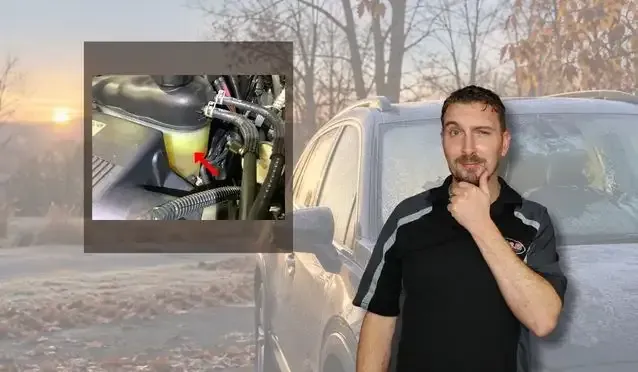
A man in a black shirt stands beside a vehicle, with an inset showing its open engine compartment.
By Lee Myles Auto Care & Transmissions • November 11, 2026
You turn the heat all the way up. The fan is blasting. Ten minutes later, you’re still driving through Berks County wearing gloves inside your car.
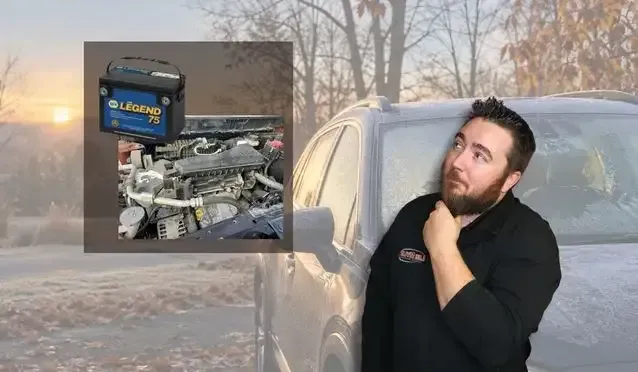
A man in black stands beside a silver vehicle, hand on chin; an inset shows an engine bay with a battery.
By Lee Myles Auto Care & Transmissions • November 4, 2026
It’s a cold morning in Berks County. You start the car, turn the heat up, and let it sit while you finish getting ready.
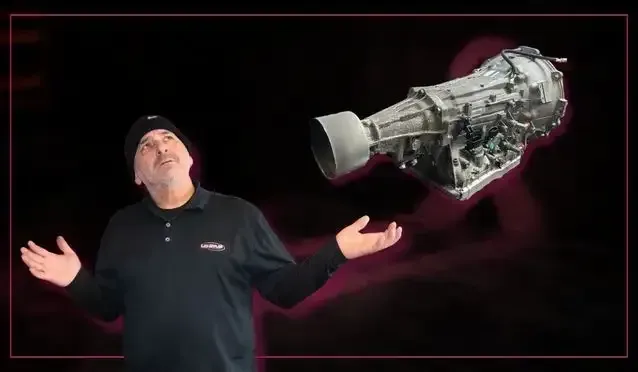
A presenter gestures beside a floating cutaway model of a mechanical assembly against a dark background.
By Lee Myles Auto Care & Transmissions • October 28, 2026
“My transmission is going.”
A person in a bright pink shirt stands with arms crossed beside two inset photos of a gray device.
By Lee Myles Auto Care & Transmissions • October 21, 2026
There are some automotive myths that are harmless.
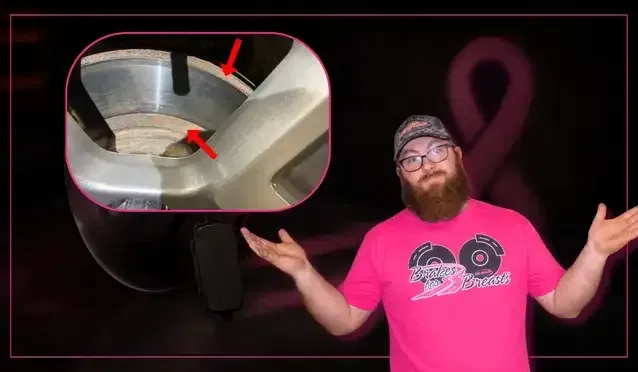
A bearded presenter gestures beside an inset close-up of a metal device with red arrows pointing to its parts.
By Lee Myles Auto Care & Transmissions • October 14, 2026
One of the most common questions people have when they hear they need brakes is:
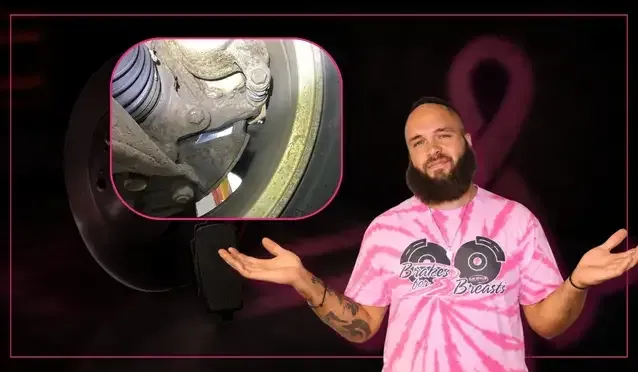
Bearded presenter in a pink graphic shirt gestures toward an inset close-up of a mechanical part.
By Lee Myles Auto Care & Transmissions • October 7, 2026
Your car should not have its own soundtrack.

Two smiling people in matching pink shirts pose beside a vinyl record and pink ribbon, with a breast cancer awareness logo.
By Lee Myles Auto Care & Transmissions • September 30, 2026
October is here, which means Brakes for Breasts is back at Lee Myles Southeast PA.

A man gives two thumbs up beside an inset showing a hand holding a small glass of red liquid.
By Lee Myles Auto Care & Transmissions • September 23, 2026
If you've ever searched, "Why is my car shifting weird?" or "My transmission hesitates when I accelerate," you're not alone.
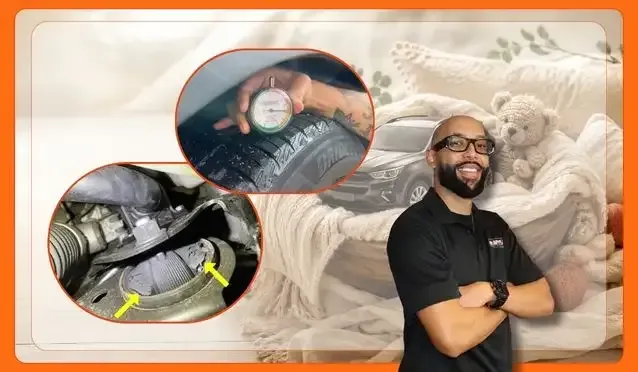
Smiling technician in a black shirt stands beside two circular close-ups of equipment, framed by a warm orange border.
By Lee Myles Auto Care & Transmissions • September 16, 2026
When people think about keeping their family safe in the car, they usually think about car seats, booster seats, and making sure everyone is buckled up.

Show More