Cómo Arrancar un Automóvil: Una Guía Rápida

Lee Myles Auto Care & Transmissions • December 30, 2024

Share this article

¿Batería descargada? ¡No entre en pánico! Arrancar su automóvil es una tarea relativamente simple que puede ponerlo de vuelta en la carretera en poco tiempo. En esta publicación de blog, lo guiaremos a través de los pasos para arrancar su automóvil de manera segura y efectiva. 

Seguridad primero  

Antes de comenzar, es importante priorizar la seguridad: 

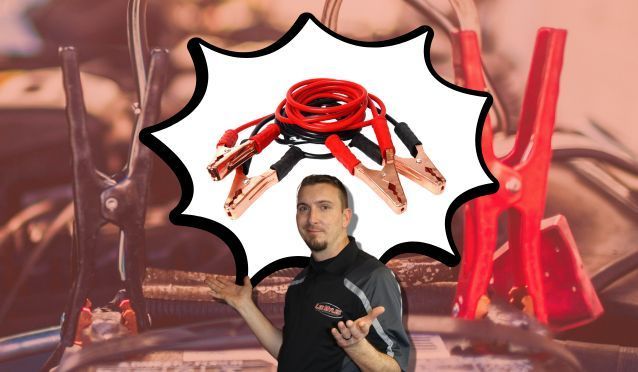
  • Reúna el equipo necesario: necesitará un juego de cables de puente, otro automóvil con una batería que funcione y guantes de seguridad. 

  • Estacione los automóviles de manera segura: estacione los dos automóviles cerca uno del otro, asegurándose de que los faros sean visibles entre sí. 

  • Apague todos los accesorios: asegúrese de que ambos automóviles tengan todos los accesorios apagados, incluidas las luces, la radio y el aire acondicionado. 

Guía paso a paso  

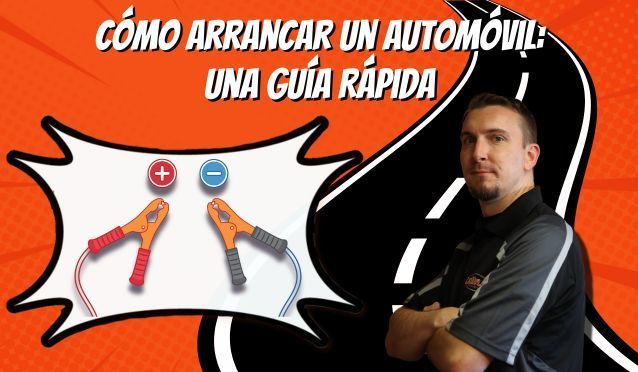
  1. Conecte el terminal positivo: conecte la abrazadera positiva del cable de puente rojo al terminal positivo de la batería descargada. 

  1. Conecte el terminal negativo: conecte la abrazadera negativa del cable de puente negro al terminal negativo de la batería buena. 

  1. Conecte el otro extremo del cable negro: conecte el otro extremo del cable de puente negro a una parte metálica sólida del automóvil descargado, lejos de la batería. 

  1. Arranque el automóvil bueno: arranque el automóvil con la batería buena y déjelo funcionar durante unos minutos. 

  1. Arranque el automóvil descargado: intente arrancar el automóvil descargado. Si no arranca inmediatamente, déjelo reposar durante unos minutos y vuelva a intentarlo. 

Consejos importantes de seguridad:  

  • Evite tocar los terminales de la batería: nunca toque los terminales de la batería mientras el automóvil está en marcha, ya que esto puede causar una descarga eléctrica. 

  • No deje que los cables de puente se toquen: evite que los cables de puente positivo y negativo se toquen, ya que esto puede causar una chispa y dañar potencialmente el sistema eléctrico de su automóvil. 

  • Desconecte los cables en el orden correcto: cuando haya terminado, desconecte los cables en el orden inverso: negativo del automóvil descargado, positivo del automóvil descargado, negativo del automóvil bueno y luego positivo del automóvil bueno. 

¿Necesita ayuda profesional?  

Si no puede arrancar su automóvil o si no está seguro del proceso, no dude en llamar a Lee Myles Auto Care & Transmissions. Nuestros técnicos expertos pueden proporcionar servicios de arranque seguros y eficientes, así como diagnosticar y reparar cualquier problema subyacente que pueda estar causando problemas con la batería. 

Recuerde: una batería descargada es a menudo un síntoma de un problema mayor. El mantenimiento regular, como verificar el estado de la batería y reemplazarla cuando sea necesario, puede ayudar a prevenir averías inesperadas. 

Contáctenos hoy para todas sus necesidades automotrices, incluidos el reemplazo de la batería y los servicios de arranque.

Recent Posts

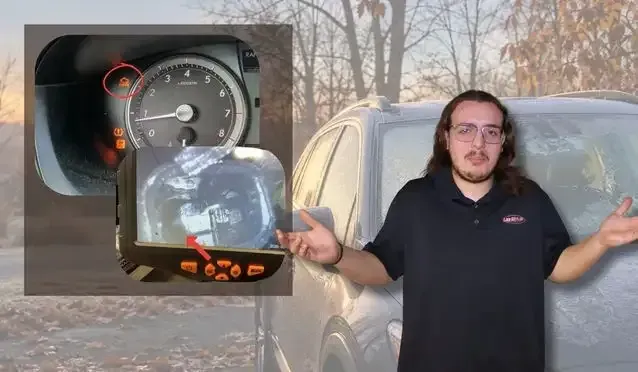
A presenter gestures beside a car, with inset images showing a dashboard gauge and a handheld diagnostic device.
November 18, 2026
Your dashboard lights up. Your car starts making a new noise. Something smells weird. And your immediate question is probably: “Can I keep driving my car like this?” Sometimes the answer is yes—for now. Sometimes it’s “schedule an appointment.” And sometimes it’s “pull over and shut the car off.” Here are six warning signs that can help you know the difference. 1. Flashing Check Engine Light STOP DRIVING Can you drive with a flashing Check Engine Light? You shouldn’t keep driving normally. A flashing Check Engine Light can indicate an active misfire severe enough to damage the catalytic converter. Find a safe place to pull over and shut the vehicle off. What about a solid Check Engine Light when the car seems to run normally? SCHEDULE IT It still needs attention, but it doesn’t always mean you need to stop immediately. 2. Temperature Gauge Suddenly in the Red STOP DRIVING If your temperature gauge climbs into the red or you see an overheating warning, continuing to drive can cause serious engine damage. Pull over safely and shut the engine off. Don’t open a hot cooling system. 3. Oil-Pressure Warning Light STOP DRIVING The oil-pressure warning light is different from an oil-change reminder. Low oil pressure can mean the engine isn’t getting the lubrication it needs. Continuing to drive could cause major engine damage. 4. Smoke Coming From Your Car STOP DRIVING Smoke from under the hood, exhaust, or another area of the vehicle deserves immediate attention—especially if it’s accompanied by a warning light, overheating, loss of power, or a strong smell. Pull over somewhere safe and shut the vehicle off. 5. Sudden Loss of Power STOP DRIVING If your car suddenly loses significant power, struggles to accelerate, or behaves unpredictably, don’t try to push it the rest of the way down Route 422 just to make it home. Get somewhere safe and have the vehicle evaluated. 6. A New Noise or Smell This one depends on what you’re experiencing. SCHEDULE IT: A small new noise while the vehicle otherwise drives normally. STOP DRIVING: Burning smells, strong fuel odors, smoke, major grinding, or a symptom that suddenly affects how the vehicle drives.
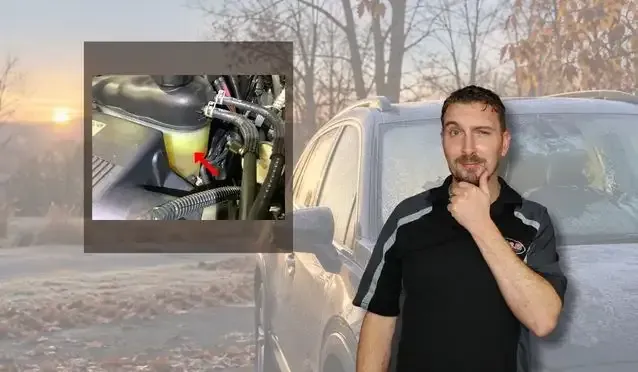
A man in a black shirt stands beside a vehicle, with an inset showing its open engine compartment.
By Lee Myles Auto Care & Transmissions • November 11, 2026
You turn the heat all the way up. The fan is blasting. Ten minutes later, you’re still driving through Berks County wearing gloves inside your car.
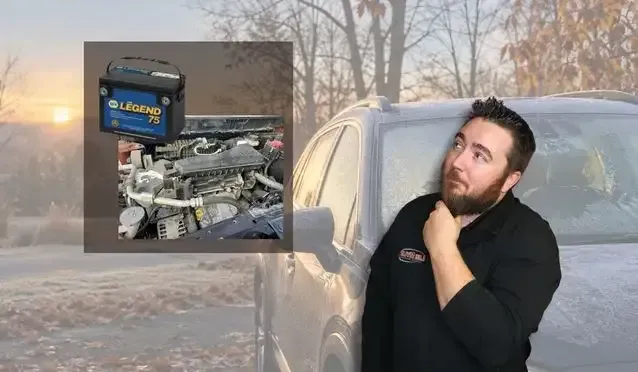
A man in black stands beside a silver vehicle, hand on chin; an inset shows an engine bay with a battery.
By Lee Myles Auto Care & Transmissions • November 4, 2026
It’s a cold morning in Berks County. You start the car, turn the heat up, and let it sit while you finish getting ready.
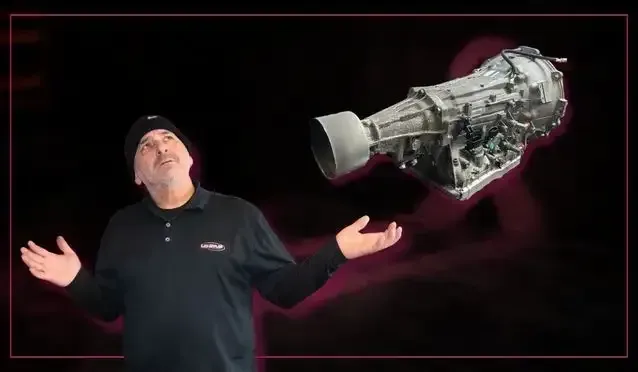
A presenter gestures beside a floating cutaway model of a mechanical assembly against a dark background.
By Lee Myles Auto Care & Transmissions • October 28, 2026
“My transmission is going.”
A person in a bright pink shirt stands with arms crossed beside two inset photos of a gray device.
By Lee Myles Auto Care & Transmissions • October 21, 2026
There are some automotive myths that are harmless.
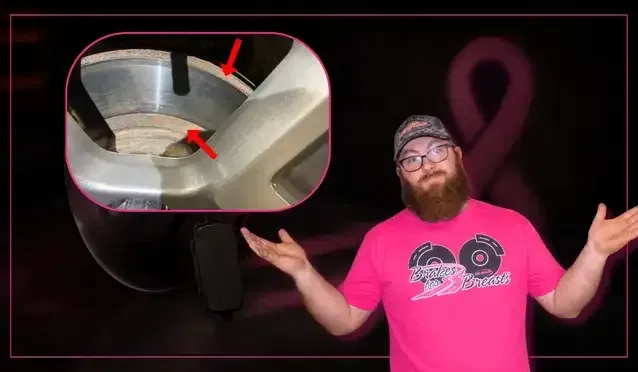
A bearded presenter gestures beside an inset close-up of a metal device with red arrows pointing to its parts.
By Lee Myles Auto Care & Transmissions • October 14, 2026
One of the most common questions people have when they hear they need brakes is:
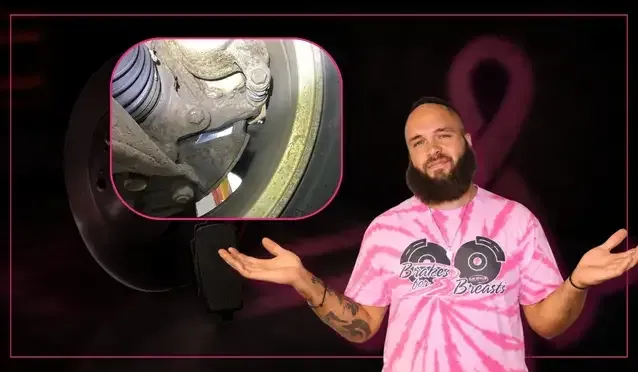
Bearded presenter in a pink graphic shirt gestures toward an inset close-up of a mechanical part.
By Lee Myles Auto Care & Transmissions • October 7, 2026
Your car should not have its own soundtrack.

Two smiling people in matching pink shirts pose beside a vinyl record and pink ribbon, with a breast cancer awareness logo.
By Lee Myles Auto Care & Transmissions • September 30, 2026
October is here, which means Brakes for Breasts is back at Lee Myles Southeast PA.
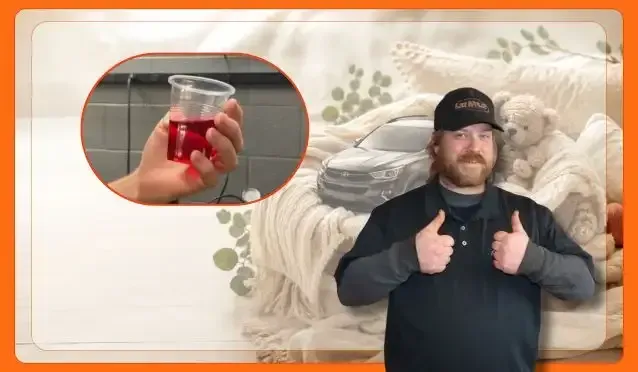
A man gives two thumbs up beside an inset showing a hand holding a small glass of red liquid.
By Lee Myles Auto Care & Transmissions • September 23, 2026
If you've ever searched, "Why is my car shifting weird?" or "My transmission hesitates when I accelerate," you're not alone.
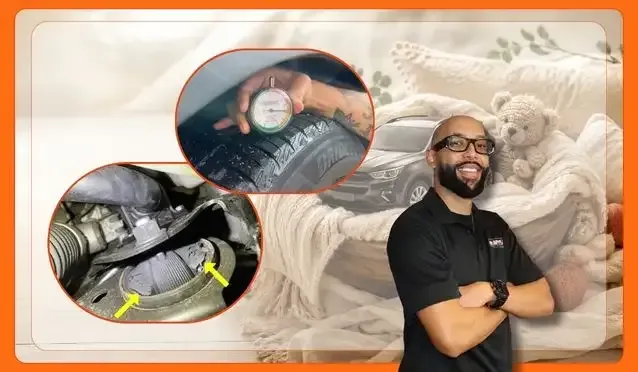
Smiling technician in a black shirt stands beside two circular close-ups of equipment, framed by a warm orange border.
By Lee Myles Auto Care & Transmissions • September 16, 2026
When people think about keeping their family safe in the car, they usually think about car seats, booster seats, and making sure everyone is buckled up.

Show More