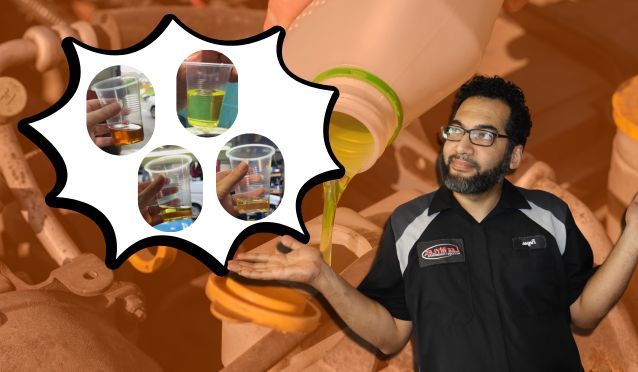
Mantenimiento Preventivo: Fluidos Más Allá del Aceite y el Líquido de Frenos

Lee Myles Auto Care & Transmissions • August 13, 2025

Share this article

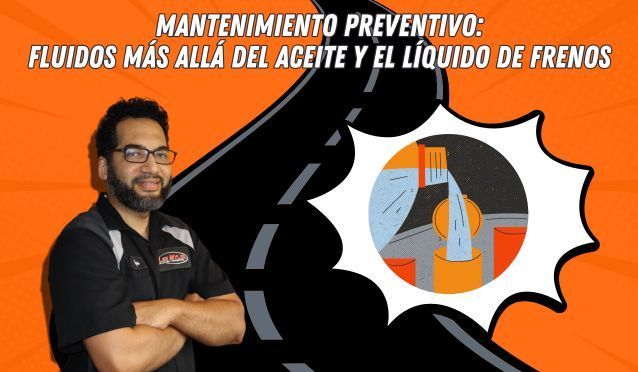
Probablemente sabes que los cambios regulares de aceite y estar atento a tu líquido de frenos son críticos para tu coche. Pero, ¿sabías que tu vehículo depende de toda una sinfonía de otros fluidos para funcionar sin problemas y de forma segura? En Lee Myles Auto Care & Transmissions en Berks County, PA, a menudo encontramos que los conductores pasan por alto estos caballos de batalla silenciosos. Por eso estamos aquí para explicar por qué mantener todos los fluidos de tu coche es un  mantenimiento preventivo  esencial que puede ahorrarte costosas reparaciones automotrices en el futuro. 

Piensa en tu coche como un cuerpo; estos fluidos son sus órganos vitales. ¡Ignorarlos puede llevar a graves consecuencias! 

Los Héroes Olvidados: Otros Fluidos Automotrices Cruciales 

Vamos a profundizar en los fluidos que merecen tu atención: 

  1. Refrigerante del Motor (Anticongelante)

  • Qué hace:  Este líquido vibrante evita que tu motor se sobrecaliente en verano y se congele en invierno. Transfiere el calor del motor al radiador y previene la corrosión en tu sistema de enfriamiento. 
  • Por qué es un mantenimiento preventivo crucial:  Con el tiempo, el refrigerante se degrada y pierde sus propiedades protectoras. Esto puede llevar al sobrecalentamiento del motor, causando daños severos como un bloque de motor agrietado. Los lavados y revisiones regulares del refrigerante son clave. 
  • Preguntas comunes:  "¿Con qué frecuencia debo cambiar mi refrigerante?" Consulta el manual del propietario; generalmente cada 30,000 a 60,000 millas. ¡Presta atención al aumento de la temperatura en tu indicador como señal de advertencia! 

  1. Líquido de Transmisión

  • Qué hace:  Este fluido es la sangre vital de tu transmisión, ya sea automática o manual. Lubrica engranajes y embragues, enfría la transmisión y proporciona presión hidráulica para cambios de marcha suaves. 
  • Por qué es un mantenimiento preventivo crucial:  El líquido de transmisión se descompone bajo el calor y la fricción, lo que lleva a cambios bruscos, engranajes que patinan y, eventualmente, una costosa falla de la transmisión. Un cambio de líquido de transmisión a intervalos regulares es crucial. 
  • Preguntas comunes:  "¿Con qué frecuencia se debe cambiar el líquido de transmisión?" Consulta el manual del propietario; varía de 30,000 a 100,000 millas, pero "líquido de por vida" no significa "nunca lo cambies". Presta atención a cambios lentos o bruscos. 

  1. Líquido de la Dirección Asistida

  • Qué hace:  Este fluido hidráulico te permite girar el volante fácilmente, asistiendo a la bomba de dirección asistida. 
  • Por qué es un mantenimiento preventivo crucial:  Al igual que otros fluidos, puede degradarse y contaminarse, lo que lleva a un mayor desgaste de la bomba y la cremallera de dirección. Esto resulta en una dirección rígida, ruidos de quejido y posible falla de los componentes. 
  • Preguntas comunes:  "¿Es necesario cambiar el líquido de la dirección asistida?" Aunque no es tan frecuente como el aceite, verificar su nivel y condición es un mantenimiento del coche vital. Algunos fabricantes recomiendan el lavado periódico. 

  1. Líquidos del Diferencial y de la Caja de Transferencia (para AWD/4WD)

  • Qué hacen:  Si tienes un vehículo con tracción total (AWD) o tracción en las cuatro ruedas (4WD), estos fluidos lubrican los engranajes de tu diferencial y caja de transferencia, cruciales para enviar potencia a las cuatro ruedas. 
  • Por qué son un mantenimiento preventivo crucial:  Estos componentes experimentan una inmensa fricción. Los fluidos previenen el desgaste, especialmente con remolques o conducción todoterreno. Ignorarlos puede llevar a costosas reparaciones del diferencial o de la caja de transferencia. 
  • Preguntas comunes:  "¿Con qué frecuencia debo cambiar el líquido del diferencial?" Generalmente cada 30,000 a 60,000 millas; revisa tu manual y considera tus condiciones de manejo. 

¡No Pases por Alto la Salud de Tus Fluidos – Visita Lee Myles Hoy! 

Cada fluido en tu coche juega un papel crítico en su salud general y longevidad. Ignorar las revisiones regulares es como ignorar las señales de advertencia: los problemas menores pueden escalar a problemas mayores y costosos. 

En Lee Myles Auto Care & Transmissions, nuestros técnicos calificados se especializan en un servicio automotriz integral, que incluye inspecciones exhaustivas de fluidos e intercambios adecuados de fluidos. Nos aseguramos de que tu vehículo reciba el cuidado preciso que necesita para prolongar su vida útil y mantenerte seguro en la carretera. 

¿Listo para una revisión completa de fluidos o necesitas una reparación automotriz experta? ¡Visita tu Lee Myles Auto Care & Transmissions más cercano en Berks County, PA! Con ubicaciones convenientes en Reading, PA 19607, Birdsboro, PA 19508, Sinking Spring, PA 19608, y Wyomissing, PA 19610, nuestro equipo está siempre listo para ayudarte a mantener tu vehículo funcionando a su máximo rendimiento.  ¡Esperamos poder servirte!  

Recent Posts

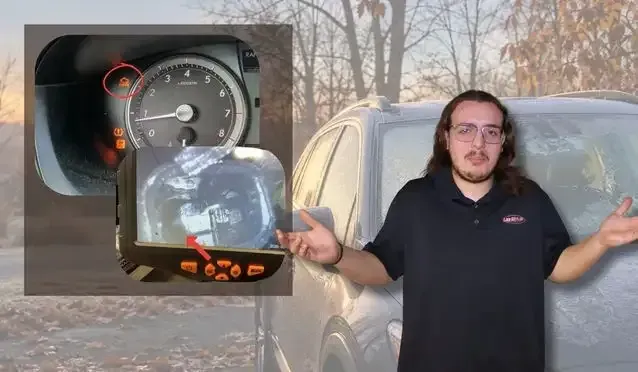
A presenter gestures beside a car, with inset images showing a dashboard gauge and a handheld diagnostic device.
November 18, 2026
Your dashboard lights up. Your car starts making a new noise. Something smells weird. And your immediate question is probably: “Can I keep driving my car like this?” Sometimes the answer is yes—for now. Sometimes it’s “schedule an appointment.” And sometimes it’s “pull over and shut the car off.” Here are six warning signs that can help you know the difference. 1. Flashing Check Engine Light STOP DRIVING Can you drive with a flashing Check Engine Light? You shouldn’t keep driving normally. A flashing Check Engine Light can indicate an active misfire severe enough to damage the catalytic converter. Find a safe place to pull over and shut the vehicle off. What about a solid Check Engine Light when the car seems to run normally? SCHEDULE IT It still needs attention, but it doesn’t always mean you need to stop immediately. 2. Temperature Gauge Suddenly in the Red STOP DRIVING If your temperature gauge climbs into the red or you see an overheating warning, continuing to drive can cause serious engine damage. Pull over safely and shut the engine off. Don’t open a hot cooling system. 3. Oil-Pressure Warning Light STOP DRIVING The oil-pressure warning light is different from an oil-change reminder. Low oil pressure can mean the engine isn’t getting the lubrication it needs. Continuing to drive could cause major engine damage. 4. Smoke Coming From Your Car STOP DRIVING Smoke from under the hood, exhaust, or another area of the vehicle deserves immediate attention—especially if it’s accompanied by a warning light, overheating, loss of power, or a strong smell. Pull over somewhere safe and shut the vehicle off. 5. Sudden Loss of Power STOP DRIVING If your car suddenly loses significant power, struggles to accelerate, or behaves unpredictably, don’t try to push it the rest of the way down Route 422 just to make it home. Get somewhere safe and have the vehicle evaluated. 6. A New Noise or Smell This one depends on what you’re experiencing. SCHEDULE IT: A small new noise while the vehicle otherwise drives normally. STOP DRIVING: Burning smells, strong fuel odors, smoke, major grinding, or a symptom that suddenly affects how the vehicle drives.
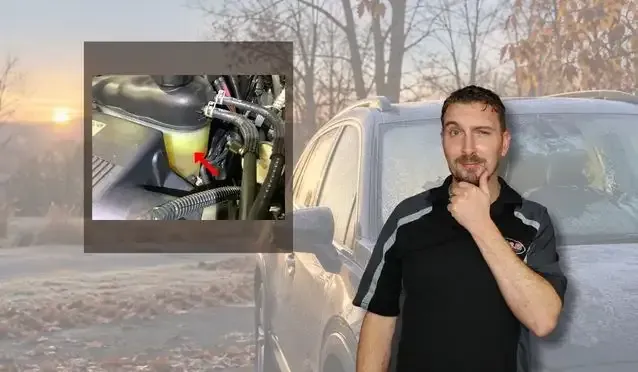
A man in a black shirt stands beside a vehicle, with an inset showing its open engine compartment.
By Lee Myles Auto Care & Transmissions • November 11, 2026
You turn the heat all the way up. The fan is blasting. Ten minutes later, you’re still driving through Berks County wearing gloves inside your car.
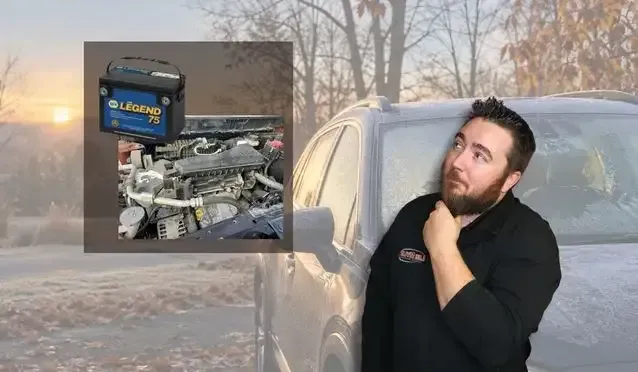
A man in black stands beside a silver vehicle, hand on chin; an inset shows an engine bay with a battery.
By Lee Myles Auto Care & Transmissions • November 4, 2026
It’s a cold morning in Berks County. You start the car, turn the heat up, and let it sit while you finish getting ready.
A presenter gestures beside a floating cutaway model of a mechanical assembly against a dark background.
By Lee Myles Auto Care & Transmissions • October 28, 2026
“My transmission is going.”
A person in a bright pink shirt stands with arms crossed beside two inset photos of a gray device.
By Lee Myles Auto Care & Transmissions • October 21, 2026
There are some automotive myths that are harmless.
A bearded presenter gestures beside an inset close-up of a metal device with red arrows pointing to its parts.
By Lee Myles Auto Care & Transmissions • October 14, 2026
One of the most common questions people have when they hear they need brakes is:
Bearded presenter in a pink graphic shirt gestures toward an inset close-up of a mechanical part.
By Lee Myles Auto Care & Transmissions • October 7, 2026
Your car should not have its own soundtrack.

Two smiling people in matching pink shirts pose beside a vinyl record and pink ribbon, with a breast cancer awareness logo.
By Lee Myles Auto Care & Transmissions • September 30, 2026
October is here, which means Brakes for Breasts is back at Lee Myles Southeast PA.

A man gives two thumbs up beside an inset showing a hand holding a small glass of red liquid.
By Lee Myles Auto Care & Transmissions • September 23, 2026
If you've ever searched, "Why is my car shifting weird?" or "My transmission hesitates when I accelerate," you're not alone.
Smiling technician in a black shirt stands beside two circular close-ups of equipment, framed by a warm orange border.
By Lee Myles Auto Care & Transmissions • September 16, 2026
When people think about keeping their family safe in the car, they usually think about car seats, booster seats, and making sure everyone is buckled up.

Show More