Don't Let Your Brakes Sing the Blues: Decoding Common Brake Noises

Lee Myles Auto Care & Transmissions • October 8, 2025

Share this article

Have you ever hit the brakes and heard a noise that made you cringe? A high-pitched squeal, a low-rumbling grind, or a rhythmic vibration? These sounds aren’t just annoying—they’re your car’s way of talking to you, and it’s a language you need to learn. At Lee Myles Auto Care & Transmissions, with our convenient locations in Reading, PA, Birdsboro, PA, Sinking Spring, PA, and Wyomissing, PA, we're experts at translating these sounds. 

Let’s decode some of the most common brake noises and what they mean for the health of your vehicle. 

FAQ: "Why are my brakes squealing?" 

This is one of the most common questions we get, and the answer can range from "it's nothing" to "get it checked out now." 

  • New Brakes:  Just got your brake pads replaced? A little squeal for the first few hundred miles is often normal. This is called "bedding in," as the new pads and rotors are getting used to each other. 
  • Built-in Wear Indicators:  Most modern brake pads have a small metal tab designed to create a high-pitched squeal when the pads are getting thin. If you hear this sound consistently while braking, it’s a clear sign that your pads are worn and need to be replaced soon. 
  • Moisture or Rust:  A quick, faint squeal in the morning after a rainy night is often just surface rust being scraped off the rotors. This should disappear after a few stops. 
  • Glazed Pads:  If your brakes are squealing but the pads have plenty of life left, it could be due to "glazing." This happens when the pads get overheated, causing a hard, shiny surface that can lead to noise. 

The Scary Sound: Grinding 

Hearing a deep, grinding noise is a serious warning sign.  It means your brake pads are completely worn out, and the metal backing is scraping against the brake rotor.  This not only causes major damage but also makes it incredibly dangerous to drive. If you hear this, get your car to a professional immediately. 

"My steering wheel shakes when I brake, what's wrong?" 

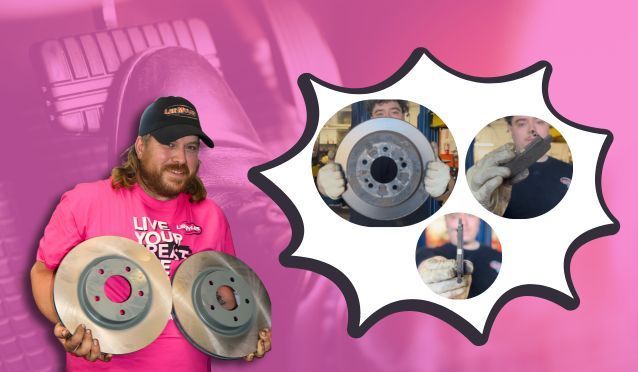
A vibration in your brake pedal or steering wheel is a common sign of warped rotors. Rotors are the metal discs your brake pads squeeze to stop the car. Over time, heavy braking can cause them to warp, leading to that pulsating feeling you get when you brake. While your car will still stop, this issue reduces your braking efficiency and should be inspected. 

Other Sounds to Listen For 

  • Clicking or Clunking:  A clicking sound might be something simple, like a loose caliper or a small rock caught in the assembly. A louder clunking noise could indicate worn-out brake hardware or a loose component. 
  • Rubbing Noise:  A continuous rubbing sound, even when you aren't braking, can point to a stuck caliper or a wheel bearing issue. 

The "Don’t Ignore It" Message 

No matter the sound—whether it’s a whisper or a roar—your brakes are not something to gamble with. Your brakes are your car's most crucial safety system, and ignoring a problem can lead to more extensive repairs later. It's always best to have a professional technician inspect your vehicle to ensure your safety. 

Lee Myles Auto Care & Transmissions: Your Berks County Brake Experts 

The whole month of October, take part in our special Brakes for Breasts event. We're offering FREE brake pads with every brake service, and a portion of the proceeds from every brake job goes towards the Cleveland Clinic's breast cancer vaccine research fund. It's a great way to ensure your safety while supporting an amazing cause. 

Don't let your car's sounds keep you guessing. If you're in the Reading, Birdsboro, Sinking Spring, or Wyomissing area,  give us a call or stop by  to have one of our certified technicians take a look. We’ll get you back on the road safely and quietly. 

Recent Posts

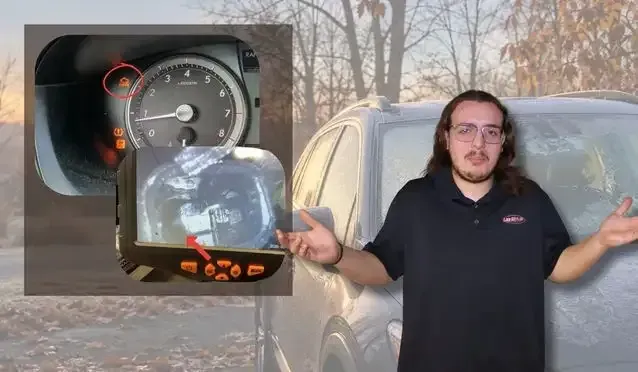
A presenter gestures beside a car, with inset images showing a dashboard gauge and a handheld diagnostic device.
November 18, 2026
Your dashboard lights up. Your car starts making a new noise. Something smells weird. And your immediate question is probably: “Can I keep driving my car like this?” Sometimes the answer is yes—for now. Sometimes it’s “schedule an appointment.” And sometimes it’s “pull over and shut the car off.” Here are six warning signs that can help you know the difference. 1. Flashing Check Engine Light STOP DRIVING Can you drive with a flashing Check Engine Light? You shouldn’t keep driving normally. A flashing Check Engine Light can indicate an active misfire severe enough to damage the catalytic converter. Find a safe place to pull over and shut the vehicle off. What about a solid Check Engine Light when the car seems to run normally? SCHEDULE IT It still needs attention, but it doesn’t always mean you need to stop immediately. 2. Temperature Gauge Suddenly in the Red STOP DRIVING If your temperature gauge climbs into the red or you see an overheating warning, continuing to drive can cause serious engine damage. Pull over safely and shut the engine off. Don’t open a hot cooling system. 3. Oil-Pressure Warning Light STOP DRIVING The oil-pressure warning light is different from an oil-change reminder. Low oil pressure can mean the engine isn’t getting the lubrication it needs. Continuing to drive could cause major engine damage. 4. Smoke Coming From Your Car STOP DRIVING Smoke from under the hood, exhaust, or another area of the vehicle deserves immediate attention—especially if it’s accompanied by a warning light, overheating, loss of power, or a strong smell. Pull over somewhere safe and shut the vehicle off. 5. Sudden Loss of Power STOP DRIVING If your car suddenly loses significant power, struggles to accelerate, or behaves unpredictably, don’t try to push it the rest of the way down Route 422 just to make it home. Get somewhere safe and have the vehicle evaluated. 6. A New Noise or Smell This one depends on what you’re experiencing. SCHEDULE IT: A small new noise while the vehicle otherwise drives normally. STOP DRIVING: Burning smells, strong fuel odors, smoke, major grinding, or a symptom that suddenly affects how the vehicle drives.
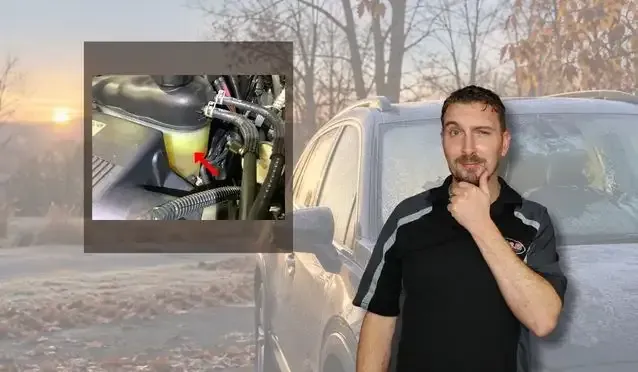
A man in a black shirt stands beside a vehicle, with an inset showing its open engine compartment.
By Lee Myles Auto Care & Transmissions • November 11, 2026
You turn the heat all the way up. The fan is blasting. Ten minutes later, you’re still driving through Berks County wearing gloves inside your car.
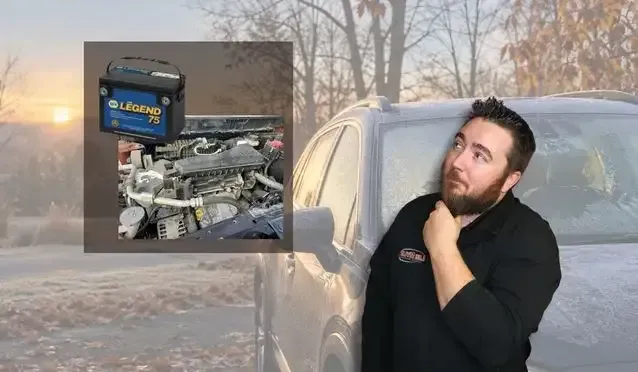
A man in black stands beside a silver vehicle, hand on chin; an inset shows an engine bay with a battery.
By Lee Myles Auto Care & Transmissions • November 4, 2026
It’s a cold morning in Berks County. You start the car, turn the heat up, and let it sit while you finish getting ready.
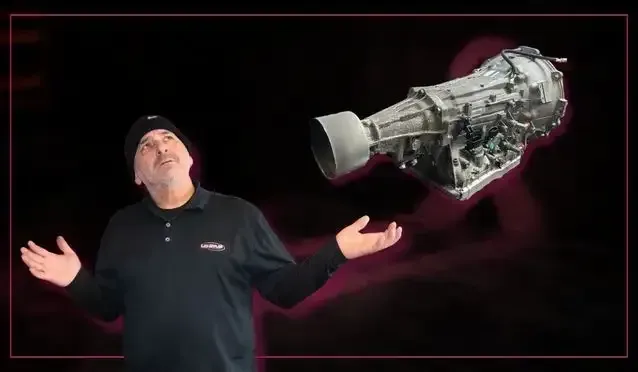
A presenter gestures beside a floating cutaway model of a mechanical assembly against a dark background.
By Lee Myles Auto Care & Transmissions • October 28, 2026
“My transmission is going.”
A person in a bright pink shirt stands with arms crossed beside two inset photos of a gray device.
By Lee Myles Auto Care & Transmissions • October 21, 2026
There are some automotive myths that are harmless.
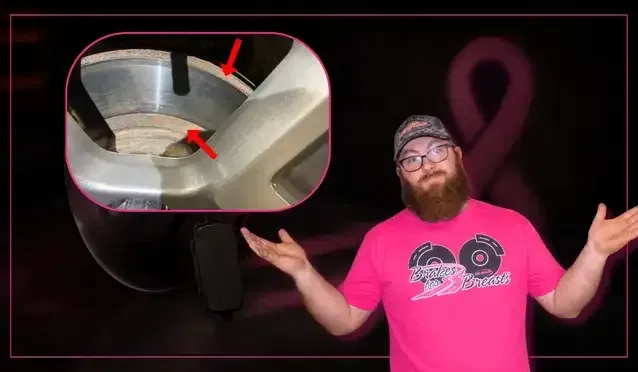
A bearded presenter gestures beside an inset close-up of a metal device with red arrows pointing to its parts.
By Lee Myles Auto Care & Transmissions • October 14, 2026
One of the most common questions people have when they hear they need brakes is:
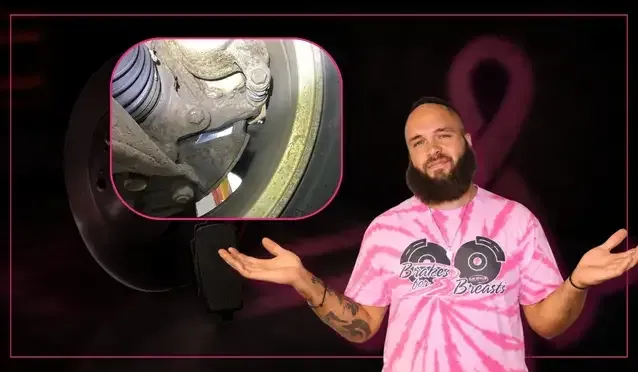
Bearded presenter in a pink graphic shirt gestures toward an inset close-up of a mechanical part.
By Lee Myles Auto Care & Transmissions • October 7, 2026
Your car should not have its own soundtrack.
Two smiling people in matching pink shirts pose beside a vinyl record and pink ribbon, with a breast cancer awareness logo.
By Lee Myles Auto Care & Transmissions • September 30, 2026
October is here, which means Brakes for Breasts is back at Lee Myles Southeast PA.
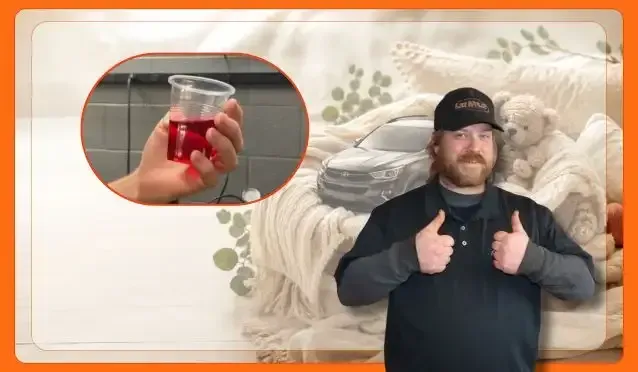
A man gives two thumbs up beside an inset showing a hand holding a small glass of red liquid.
By Lee Myles Auto Care & Transmissions • September 23, 2026
If you've ever searched, "Why is my car shifting weird?" or "My transmission hesitates when I accelerate," you're not alone.
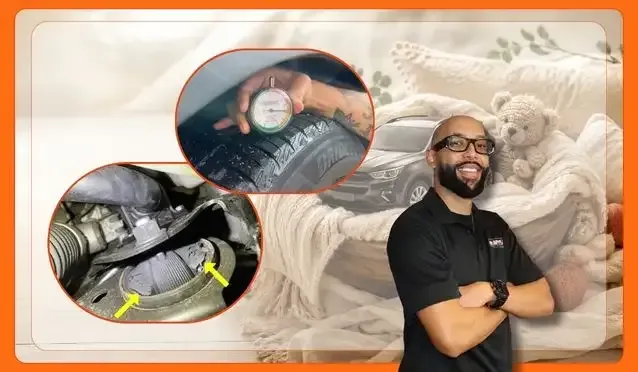
Smiling technician in a black shirt stands beside two circular close-ups of equipment, framed by a warm orange border.
By Lee Myles Auto Care & Transmissions • September 16, 2026
When people think about keeping their family safe in the car, they usually think about car seats, booster seats, and making sure everyone is buckled up.

Show More