

¿Cuánto Duran Mis Frenos? Tu Guía sobre la Vida Útil de las Pastillas y el Reemplazo de Rotores

Lee Myles Auto Care & Transmissions • October 15, 2025

Share this article

¡Hola, conductores del condado de Berks! En Lee Myles Auto Care & Transmissions, sabemos que dependes de tu vehículo para moverte con seguridad por Reading, Birdsboro, Sinking Spring y Wyomissing. Cuando se trata de seguridad, nada es más importante que tus frenos. Pero, ¿cuánto sabes realmente sobre los componentes esenciales que detienen tu auto? 

Vamos a sumergirnos en los conceptos básicos de las pastillas y los rotores de freno—cuándo reemplazarlos y qué esperar cuando visites uno de nuestros talleres en el condado de Berks. 


El Dúo Dinámico: Pastillas y Rotores 

Piensa en tu sistema de frenado como un equipo. Los dos jugadores más valiosos son las pastillas de freno y los rotores de freno (también llamados discos de freno). 

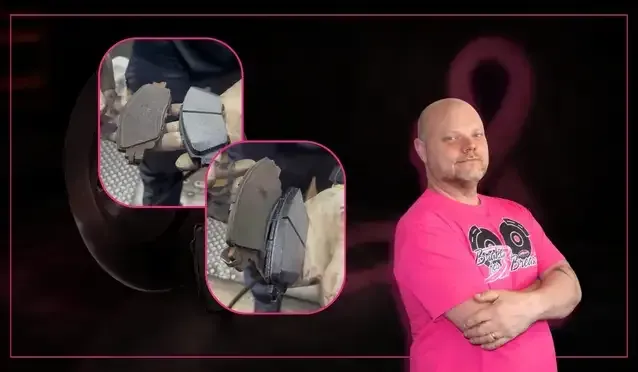
1. Pastillas de Freno: Las Creadoras de Fricción

La función principal de una pastilla de freno es crear la fricción necesaria para disminuir la velocidad o detener tu rueda. Cuando pisas el pedal del freno, la pinza empuja las pastillas contra el rotor. 

¿Cuánto duran las pastillas de freno?  ¡Esta es una de las preguntas más comunes que escuchamos! Generalmente, las pastillas de freno duran entre 30,000 y 70,000 millas, pero este rango es amplio por una razón. Tus hábitos de conducción (mucha conducción de parada y arranque en la ciudad frente a un manejo tranquilo en carretera), el peso del vehículo (camionetas y SUV desgastan las pastillas más rápido) y el tipo de material de la pastilla influyen. 

  • Tipos de Pastillas de Freno:  
  • Orgánicas (NAO):  Silenciosas y suaves con los rotores, pero tienden a desgastarse más rápido y a crear más polvo. Ideales para la conducción diaria ligera. 
  • Semi-Metálicas:  El tipo más común. Ofrecen gran potencia de frenado y mejor transferencia de calor, pero pueden ser más ruidosas y desgastar los rotores un poco más rápido. Excelentes para camionetas y vehículos de rendimiento. 
  • Cerámicas:  Nuestra pastilla de freno premium más recomendada. Son las más silenciosas, producen menos polvo, duran más y son muy suaves con los rotores. Generalmente son las más caras, pero ofrecen un  rendimiento de frenado  superior. 

2. Rotores de Freno (Discos): La Superficie de Detención

El rotor de freno es un disco de metal grande y pulido unido al cubo de la rueda. Proporciona la superficie para que las pastillas se sujeten y, fundamentalmente, ayuda a disipar el intenso calor generado por esa fricción. 


La Pregunta del Millón: ¿Necesito Rotores Nuevos Cada Vez?


"¿No pueden simplemente rectificar mis rotores en lugar de reemplazarlos? ¿No costaría eso menos?" 

Aunque la rectificación (o "torneado") de rotores era común, reemplazar los rotores es ahora casi siempre la inversión más inteligente. El costo de los rotores nuevos y de alta calidad ha bajado, haciendo que el tiempo (mano de obra) requerido para rectificar uno viejo no valga la pena por el pequeño ahorro. 

La rectificación elimina metal, haciendo que el rotor sea más delgado y más propenso a deformarse por el calor. Un rotor deformado causa vibraciones y conduce al desgaste prematuro de las pastillas y al ruido de frenado. 

Al elegir rotores nuevos, tus pastillas nuevas harán un contacto perfecto, maximizando el rendimiento y la longevidad del frenado. Esta práctica te mantiene más seguro y te ahorra dinero en futuras reparaciones. Por eso no hemos tenido un torno de frenos en Lee Myles en más de 10 años, ¡estamos comprometidos con el mejor valor y resultado para ti! 


Señales de que es Hora de un Servicio de Frenos 

¡No esperes una falla total! Presta atención a estas señales comunes de frenos desgastados y falla de frenos: 

  • Chirridos o Chillidos:  Este suele ser el sonido de un pequeño clip indicador de desgaste de metal integrado en tus pastillas de freno que te avisa que es hora de una inspección de frenos. 
  • Ruido de Rechinido:  Esto significa que el material de la pastilla ha desaparecido por completo y el metal está rozando el metal. ¡Ahora estás dañando tus rotores y comprometiendo tu seguridad! Busca servicio inmediatamente. 
  • Vibración o Pulsación:  Si tu pedal de freno o volante tiemblan al frenar, es probable que tus rotores estén deformados o tengan un grosor desigual, lo que requiere una reparación de frenos profesional. 
  • Aumento de la Distancia de Detención:  Tu coche simplemente no se detiene tan rápido como antes. 

Tus Expertos en Frenos del Condado de Berks 

Los frenos son demasiado vitales para arriesgarse. Nuestros técnicos certificados en Lee Myles Auto Care & Transmissions están aquí para ayudar, asegurando que solo obtengas el reemplazo de pastillas de freno o el servicio de rotores que realmente necesitas. 

Además, cuando obtienes tu inspección de frenos profesional con nosotros, ¡puedes apoyar una gran causa! ¡Recibes pastillas de freno GRATIS con la compra de rotores y la mano de obra para instalar pastillas y rotores! Una parte se destina directamente a la investigación del cáncer de mama. ¡Detente con seguridad y ayuda en la lucha! 

Agenda  tu servicio de frenos en una de nuestras convenientes ubicaciones en el condado de Berks: Reading, PA 19607; Birdsboro, PA 19508; Sinking Spring, PA 19608; Wyomissing, PA 19610. No dejes que los frenos desgastados te detengan, o peor. ¡Detente con seguridad con Lee Myles! 

Recent Posts

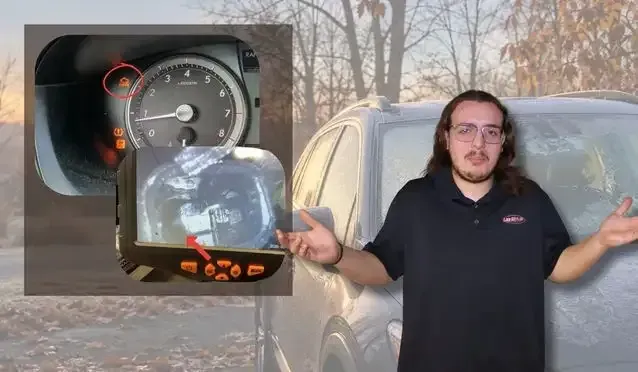
A presenter gestures beside a car, with inset images showing a dashboard gauge and a handheld diagnostic device.
November 18, 2026
Your dashboard lights up. Your car starts making a new noise. Something smells weird. And your immediate question is probably: “Can I keep driving my car like this?” Sometimes the answer is yes—for now. Sometimes it’s “schedule an appointment.” And sometimes it’s “pull over and shut the car off.” Here are six warning signs that can help you know the difference. 1. Flashing Check Engine Light STOP DRIVING Can you drive with a flashing Check Engine Light? You shouldn’t keep driving normally. A flashing Check Engine Light can indicate an active misfire severe enough to damage the catalytic converter. Find a safe place to pull over and shut the vehicle off. What about a solid Check Engine Light when the car seems to run normally? SCHEDULE IT It still needs attention, but it doesn’t always mean you need to stop immediately. 2. Temperature Gauge Suddenly in the Red STOP DRIVING If your temperature gauge climbs into the red or you see an overheating warning, continuing to drive can cause serious engine damage. Pull over safely and shut the engine off. Don’t open a hot cooling system. 3. Oil-Pressure Warning Light STOP DRIVING The oil-pressure warning light is different from an oil-change reminder. Low oil pressure can mean the engine isn’t getting the lubrication it needs. Continuing to drive could cause major engine damage. 4. Smoke Coming From Your Car STOP DRIVING Smoke from under the hood, exhaust, or another area of the vehicle deserves immediate attention—especially if it’s accompanied by a warning light, overheating, loss of power, or a strong smell. Pull over somewhere safe and shut the vehicle off. 5. Sudden Loss of Power STOP DRIVING If your car suddenly loses significant power, struggles to accelerate, or behaves unpredictably, don’t try to push it the rest of the way down Route 422 just to make it home. Get somewhere safe and have the vehicle evaluated. 6. A New Noise or Smell This one depends on what you’re experiencing. SCHEDULE IT: A small new noise while the vehicle otherwise drives normally. STOP DRIVING: Burning smells, strong fuel odors, smoke, major grinding, or a symptom that suddenly affects how the vehicle drives.
A man in a black shirt stands beside a vehicle, with an inset showing its open engine compartment.
By Lee Myles Auto Care & Transmissions • November 11, 2026
You turn the heat all the way up. The fan is blasting. Ten minutes later, you’re still driving through Berks County wearing gloves inside your car.
A man in black stands beside a silver vehicle, hand on chin; an inset shows an engine bay with a battery.
By Lee Myles Auto Care & Transmissions • November 4, 2026
It’s a cold morning in Berks County. You start the car, turn the heat up, and let it sit while you finish getting ready.
A presenter gestures beside a floating cutaway model of a mechanical assembly against a dark background.
By Lee Myles Auto Care & Transmissions • October 28, 2026
“My transmission is going.”
A person in a bright pink shirt stands with arms crossed beside two inset photos of a gray device.
By Lee Myles Auto Care & Transmissions • October 21, 2026
There are some automotive myths that are harmless.
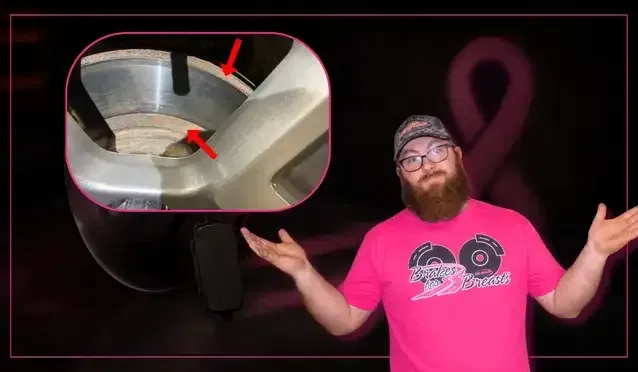
A bearded presenter gestures beside an inset close-up of a metal device with red arrows pointing to its parts.
By Lee Myles Auto Care & Transmissions • October 14, 2026
One of the most common questions people have when they hear they need brakes is:
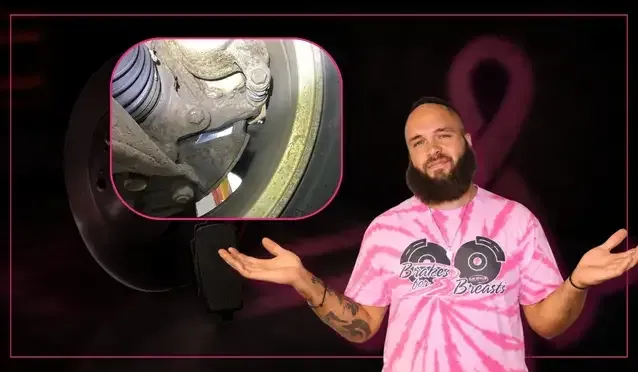
Bearded presenter in a pink graphic shirt gestures toward an inset close-up of a mechanical part.
By Lee Myles Auto Care & Transmissions • October 7, 2026
Your car should not have its own soundtrack.
Two smiling people in matching pink shirts pose beside a vinyl record and pink ribbon, with a breast cancer awareness logo.
By Lee Myles Auto Care & Transmissions • September 30, 2026
October is here, which means Brakes for Breasts is back at Lee Myles Southeast PA.

A man gives two thumbs up beside an inset showing a hand holding a small glass of red liquid.
By Lee Myles Auto Care & Transmissions • September 23, 2026
If you've ever searched, "Why is my car shifting weird?" or "My transmission hesitates when I accelerate," you're not alone.
Smiling technician in a black shirt stands beside two circular close-ups of equipment, framed by a warm orange border.
By Lee Myles Auto Care & Transmissions • September 16, 2026
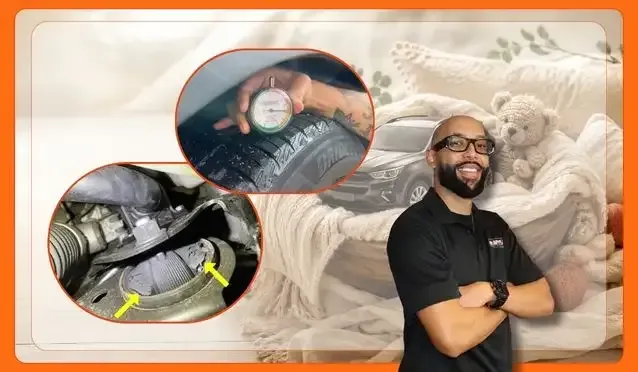
When people think about keeping their family safe in the car, they usually think about car seats, booster seats, and making sure everyone is buckled up.

Show More