¿Por qué sale humo de mis ventilaciones?

Lee Myles Auto Care & Transmissions • February 20, 2025

Share this article

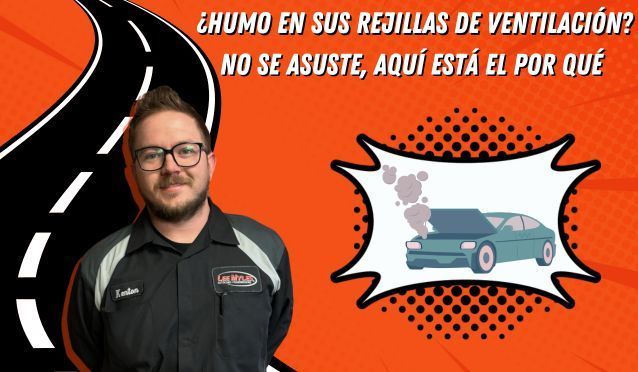
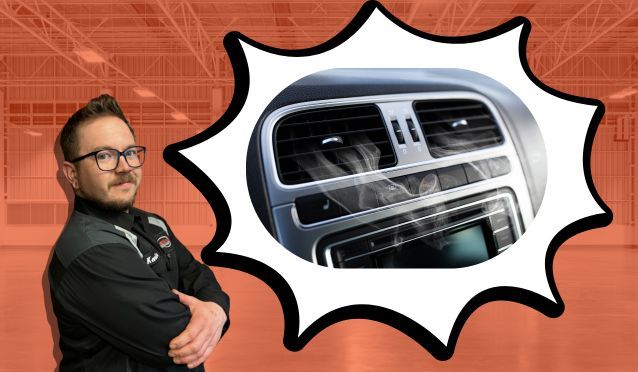
Entonces, está conduciendo tranquilamente, sin hacer daño a nadie, cuando nota humo saliendo de las rejillas de ventilación de su automóvil. ¡Cunde el pánico! Antes de detenerse y abandonar el barco, respire profundamente. El humo que sale de las rejillas de ventilación de su automóvil puede tener varias causas, algunas más graves que otras. 

Causas comunes de humo de las rejillas de ventilación del automóvil: 

  • Sobrecalentamiento del   motor :  Esta es una de las causas más graves. Cuando su motor se sobrecalienta, puede hacer que el refrigerante hierva, creando vapor que puede ingresar al sistema de ventilación.  

  • Signos de sobrecalentamiento:  

  • Manómetro de temperatura subiendo a la zona roja 

  • Vapor o humo saliendo de debajo del capó 

  • Ruidos inusuales del compartimiento del motor 

  • Olor dulce (indicando fuga de refrigerante) 

  • Componentes eléctricos quemados:  Si nota un olor a quemado junto con el humo, podría indicar un cortocircuito eléctrico. Esto podría deberse a un cableado defectuoso, un alternador defectuoso u otros componentes eléctricos que se sobrecalientan. 

  • Aceite quemado:  Si el humo tiene un tinte azulado, podría ser un signo de aceite quemado. Esto podría deberse a una fuga del  filtro de aceite, un sensor de presión de aceite defectuoso u otros problemas del motor. 

  • Núcleo del calentador con fugas:  El núcleo del calentador es un pequeño radiador que calienta el aire que fluye a través de sus rejillas de ventilación. Si desarrolla una fuga, el refrigerante puede gotear al compartimiento de pasajeros, posiblemente causando humo o incluso vapor. 

  • Hojas o escombros en combustión:  Si recientemente ha estado conduciendo por áreas con hojas secas o escombros, es posible que parte de ellos haya sido succionado por su sistema de admisión de aire y esté ardiendo. 

Qué hacer si ve humo saliendo de sus rejillas de ventilación: 

  • Seguridad primero:  Si nota humo saliendo de sus rejillas de ventilación, deténgase en un lugar seguro lo antes posible. Apague el motor y encienda las luces de emergencia. 

  • Evalúe la situación:  Revise si hay ruidos inusuales, olores o daños visibles. 

  • No abra el capó inmediatamente:  Si sospecha que el motor se sobrecalienta, deje que el motor se enfríe antes de abrir el capó. 

  • Llame para pedir ayuda:  Si no está seguro de la causa o la situación parece grave, llame a una grúa o comuníquese con un mecánico calificado como Lee Myles Auto Care & Transmissions en el sureste de Pensilvania. 

Prevención del humo de sus rejillas de ventilación: 

  • Mantenimiento regular:  El mantenimiento regular del vehículo, incluidos los cambios de aceite, los lavados de refrigerante y las inspecciones, puede ayudar a prevenir muchos de los problemas que pueden provocar humo en las rejillas de ventilación. 

  • Monitorear la temperatura del motor:  Vigile el indicador de temperatura del motor y aborde cualquier problema de sobrecalentamiento de inmediato. 

  • Evite el sobrecalentamiento:  Evite conducir en tráfico detenido durante el clima cálido y tome descansos frecuentes para permitir que su motor se enfríe. 

En Lee Myles Auto Care & Transmissions en el sureste de Pensilvania, nos especializamos en diagnosticar y reparar una amplia gama de problemas automotrices, incluidos aquellos que pueden causar humo en sus rejillas de ventilación. Nuestros técnicos experimentados inspeccionarán minuciosamente su vehículo y recomendarán el mejor curso de acción. 

¡No ignore el humo que sale de sus rejillas de ventilación! Programe una cita con Lee Myles hoy para garantizar la seguridad y confiabilidad de su vehículo.

Recent Posts

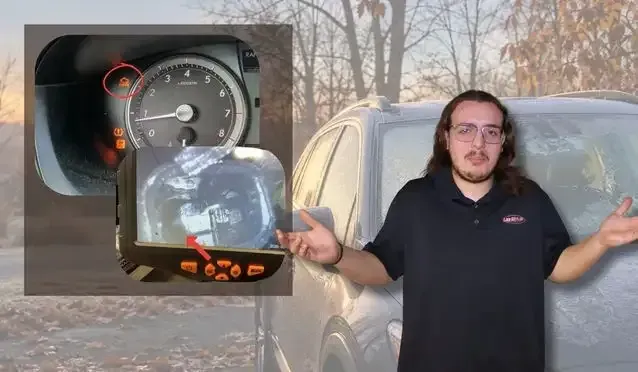
A presenter gestures beside a car, with inset images showing a dashboard gauge and a handheld diagnostic device.
November 18, 2026
Your dashboard lights up. Your car starts making a new noise. Something smells weird. And your immediate question is probably: “Can I keep driving my car like this?” Sometimes the answer is yes—for now. Sometimes it’s “schedule an appointment.” And sometimes it’s “pull over and shut the car off.” Here are six warning signs that can help you know the difference. 1. Flashing Check Engine Light STOP DRIVING Can you drive with a flashing Check Engine Light? You shouldn’t keep driving normally. A flashing Check Engine Light can indicate an active misfire severe enough to damage the catalytic converter. Find a safe place to pull over and shut the vehicle off. What about a solid Check Engine Light when the car seems to run normally? SCHEDULE IT It still needs attention, but it doesn’t always mean you need to stop immediately. 2. Temperature Gauge Suddenly in the Red STOP DRIVING If your temperature gauge climbs into the red or you see an overheating warning, continuing to drive can cause serious engine damage. Pull over safely and shut the engine off. Don’t open a hot cooling system. 3. Oil-Pressure Warning Light STOP DRIVING The oil-pressure warning light is different from an oil-change reminder. Low oil pressure can mean the engine isn’t getting the lubrication it needs. Continuing to drive could cause major engine damage. 4. Smoke Coming From Your Car STOP DRIVING Smoke from under the hood, exhaust, or another area of the vehicle deserves immediate attention—especially if it’s accompanied by a warning light, overheating, loss of power, or a strong smell. Pull over somewhere safe and shut the vehicle off. 5. Sudden Loss of Power STOP DRIVING If your car suddenly loses significant power, struggles to accelerate, or behaves unpredictably, don’t try to push it the rest of the way down Route 422 just to make it home. Get somewhere safe and have the vehicle evaluated. 6. A New Noise or Smell This one depends on what you’re experiencing. SCHEDULE IT: A small new noise while the vehicle otherwise drives normally. STOP DRIVING: Burning smells, strong fuel odors, smoke, major grinding, or a symptom that suddenly affects how the vehicle drives.
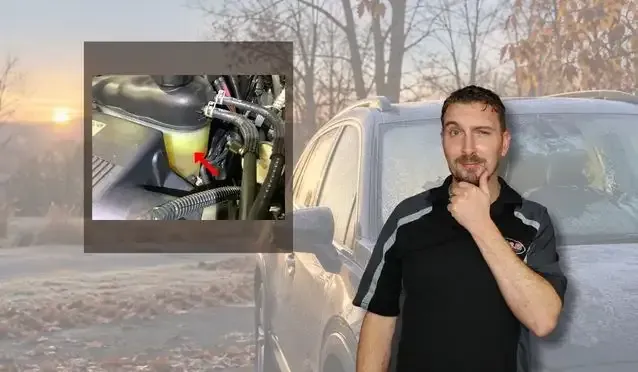
A man in a black shirt stands beside a vehicle, with an inset showing its open engine compartment.
By Lee Myles Auto Care & Transmissions • November 11, 2026
You turn the heat all the way up. The fan is blasting. Ten minutes later, you’re still driving through Berks County wearing gloves inside your car.
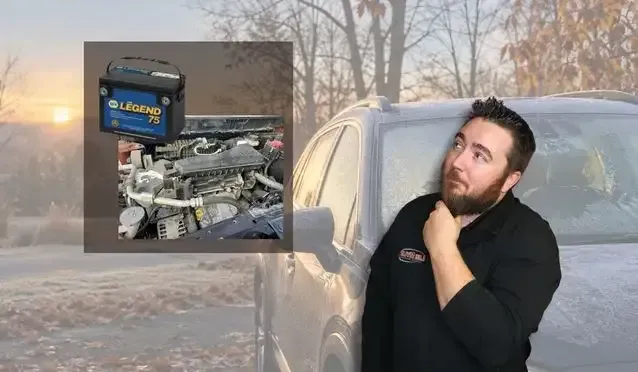
A man in black stands beside a silver vehicle, hand on chin; an inset shows an engine bay with a battery.
By Lee Myles Auto Care & Transmissions • November 4, 2026
It’s a cold morning in Berks County. You start the car, turn the heat up, and let it sit while you finish getting ready.
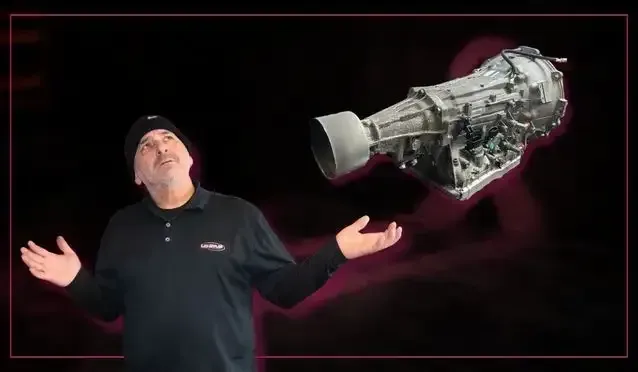
A presenter gestures beside a floating cutaway model of a mechanical assembly against a dark background.
By Lee Myles Auto Care & Transmissions • October 28, 2026
“My transmission is going.”
A person in a bright pink shirt stands with arms crossed beside two inset photos of a gray device.
By Lee Myles Auto Care & Transmissions • October 21, 2026
There are some automotive myths that are harmless.
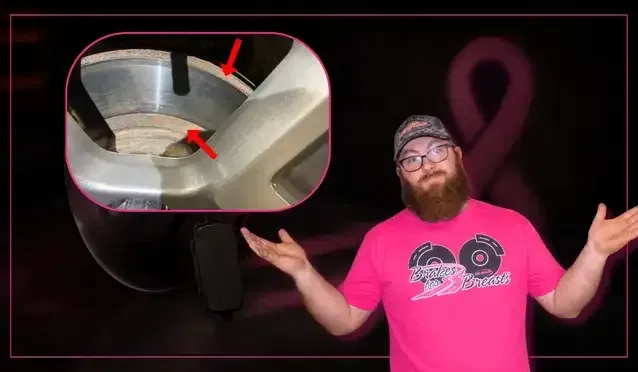
A bearded presenter gestures beside an inset close-up of a metal device with red arrows pointing to its parts.
By Lee Myles Auto Care & Transmissions • October 14, 2026
One of the most common questions people have when they hear they need brakes is:
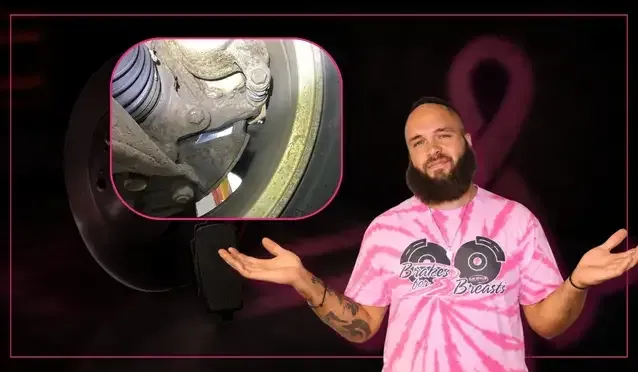
Bearded presenter in a pink graphic shirt gestures toward an inset close-up of a mechanical part.
By Lee Myles Auto Care & Transmissions • October 7, 2026
Your car should not have its own soundtrack.

Two smiling people in matching pink shirts pose beside a vinyl record and pink ribbon, with a breast cancer awareness logo.
By Lee Myles Auto Care & Transmissions • September 30, 2026
October is here, which means Brakes for Breasts is back at Lee Myles Southeast PA.
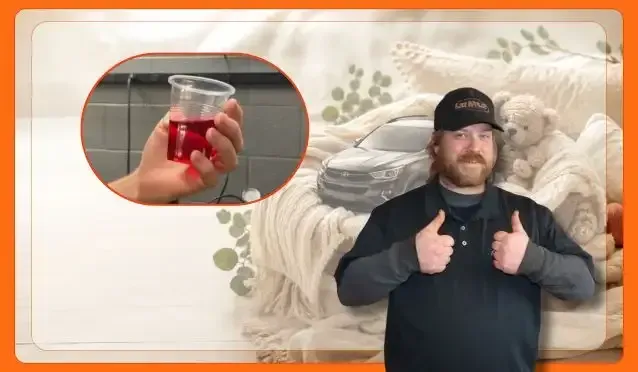
A man gives two thumbs up beside an inset showing a hand holding a small glass of red liquid.
By Lee Myles Auto Care & Transmissions • September 23, 2026
If you've ever searched, "Why is my car shifting weird?" or "My transmission hesitates when I accelerate," you're not alone.
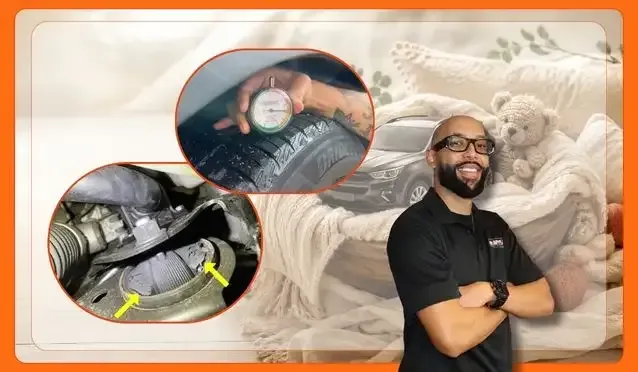
Smiling technician in a black shirt stands beside two circular close-ups of equipment, framed by a warm orange border.
By Lee Myles Auto Care & Transmissions • September 16, 2026
When people think about keeping their family safe in the car, they usually think about car seats, booster seats, and making sure everyone is buckled up.

Show More