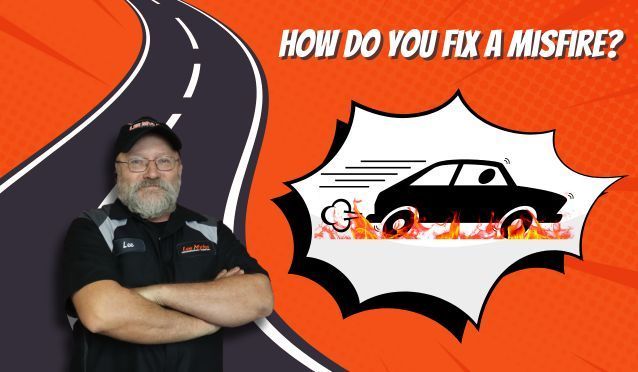
How Do You Fix a Misfire?

Lee Myles Auto Care & Transmissions • January 16, 2025

Share this article


Misfires can be a frustrating and sometimes scary experience for car owners. They can cause your car to shake, hesitate, or even stall. But don't worry, we're here to help! In this blog post, we'll discuss what causes misfires, how to diagnose them, and how to fix them. 

What is a Misfire?  


A misfire occurs when one or more of your engine's cylinders fail to ignite the fuel-air mixture. This can cause a variety of symptoms, including: 

  • Shaking or vibration: You may feel your car shaking or vibrating, especially when you accelerate. 
  • Hesitation or stalling: Your car may hesitate to accelerate or stall while idling. 
  • Reduced fuel efficiency: Misfires can cause your car to use more fuel than usual. 
  • Check engine light: The check engine light will likely come on if you have a misfire. 

Disclaimer: While this guide provides general information on how to fix a misfire, it's essential to consult with a professional mechanic for accurate diagnosis and repair. Incorrect repairs can lead to further damage to your vehicle. 
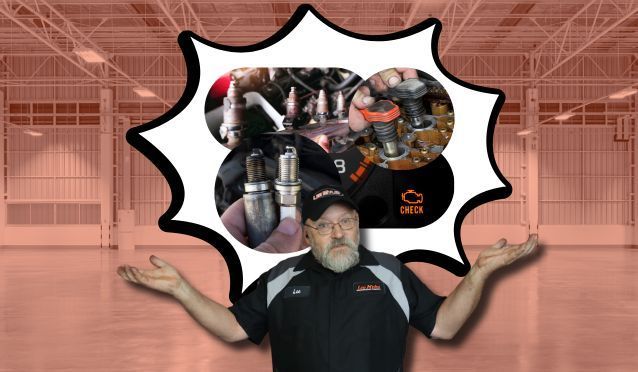
Step 1: Identify the Cause of the Misfire  

  • Check Engine Light: If your check engine light is on, use an OBD-II scanner to read the diagnostic trouble codes (DTCs). These codes can provide clues about the potential cause of the misfire. 
  • Listen for Unusual Sounds: Pay attention to any unusual noises coming from your engine, such as knocking, rattling, or misfiring sounds. 
  • Inspect Spark Plugs: Remove the spark plugs and inspect them for signs of wear, damage, or fouling. 

Step 2: Address the Root Cause  

  • Spark Plug Replacement: If the spark plugs are worn, damaged, or fouled, replace them with new ones that match the specifications for your vehicle. 
  • Fuel System Inspection: Check the fuel pressure, inspect the fuel injectors, and ensure the fuel pump is functioning correctly. If necessary, clean or replace faulty components. 
  • Ignition System Inspection: Inspect the ignition coil, distributor cap, rotor, and wires for signs of wear or damage. Replace any faulty components. 
  • Engine Mechanical Inspection: If the misfire is related to engine mechanical issues, consult a professional mechanic for a thorough inspection and repair. 

Step 3: Clear the Check Engine Light  

Once you've addressed the root cause of the misfire, use an OBD-II scanner to clear the check engine light. 

Additional Tips:  

  • Use high-quality parts: When replacing components, ensure you use high-quality parts that meet the manufacturer's specifications. 
  • Follow the manufacturer's maintenance schedule: Regular maintenance can help prevent misfires and other engine problems. 
  • Consult a professional mechanic: If you're unsure about how to diagnose or repair a misfire, it's best to consult a qualified mechanic. 

Remember: While this guide provides a general overview, the specific steps required to fix a misfire may vary depending on the make and model of your vehicle and the underlying cause of the problem. Always consult a professional mechanic for accurate diagnosis and repair. 

Contact Us Today!  

If you're having trouble with misfires or any other automotive issue, don't hesitate to contact us at Lee Myles Auto Care & Transmissions with three convenient locations in Reading, Birdsboro, and Sinking Spring. We're here to help! You can reach us by phone or online. 


Recent Posts

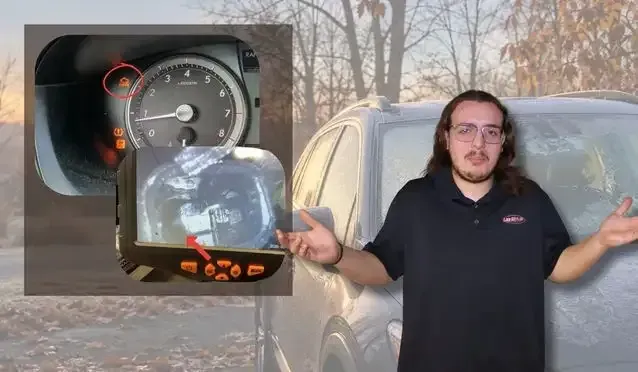
A presenter gestures beside a car, with inset images showing a dashboard gauge and a handheld diagnostic device.
November 18, 2026
Your dashboard lights up. Your car starts making a new noise. Something smells weird. And your immediate question is probably: “Can I keep driving my car like this?” Sometimes the answer is yes—for now. Sometimes it’s “schedule an appointment.” And sometimes it’s “pull over and shut the car off.” Here are six warning signs that can help you know the difference. 1. Flashing Check Engine Light STOP DRIVING Can you drive with a flashing Check Engine Light? You shouldn’t keep driving normally. A flashing Check Engine Light can indicate an active misfire severe enough to damage the catalytic converter. Find a safe place to pull over and shut the vehicle off. What about a solid Check Engine Light when the car seems to run normally? SCHEDULE IT It still needs attention, but it doesn’t always mean you need to stop immediately. 2. Temperature Gauge Suddenly in the Red STOP DRIVING If your temperature gauge climbs into the red or you see an overheating warning, continuing to drive can cause serious engine damage. Pull over safely and shut the engine off. Don’t open a hot cooling system. 3. Oil-Pressure Warning Light STOP DRIVING The oil-pressure warning light is different from an oil-change reminder. Low oil pressure can mean the engine isn’t getting the lubrication it needs. Continuing to drive could cause major engine damage. 4. Smoke Coming From Your Car STOP DRIVING Smoke from under the hood, exhaust, or another area of the vehicle deserves immediate attention—especially if it’s accompanied by a warning light, overheating, loss of power, or a strong smell. Pull over somewhere safe and shut the vehicle off. 5. Sudden Loss of Power STOP DRIVING If your car suddenly loses significant power, struggles to accelerate, or behaves unpredictably, don’t try to push it the rest of the way down Route 422 just to make it home. Get somewhere safe and have the vehicle evaluated. 6. A New Noise or Smell This one depends on what you’re experiencing. SCHEDULE IT: A small new noise while the vehicle otherwise drives normally. STOP DRIVING: Burning smells, strong fuel odors, smoke, major grinding, or a symptom that suddenly affects how the vehicle drives.
A man in a black shirt stands beside a vehicle, with an inset showing its open engine compartment.
By Lee Myles Auto Care & Transmissions • November 11, 2026
You turn the heat all the way up. The fan is blasting. Ten minutes later, you’re still driving through Berks County wearing gloves inside your car.
A man in black stands beside a silver vehicle, hand on chin; an inset shows an engine bay with a battery.
By Lee Myles Auto Care & Transmissions • November 4, 2026
It’s a cold morning in Berks County. You start the car, turn the heat up, and let it sit while you finish getting ready.
A presenter gestures beside a floating cutaway model of a mechanical assembly against a dark background.
By Lee Myles Auto Care & Transmissions • October 28, 2026
“My transmission is going.”
A person in a bright pink shirt stands with arms crossed beside two inset photos of a gray device.
By Lee Myles Auto Care & Transmissions • October 21, 2026
There are some automotive myths that are harmless.
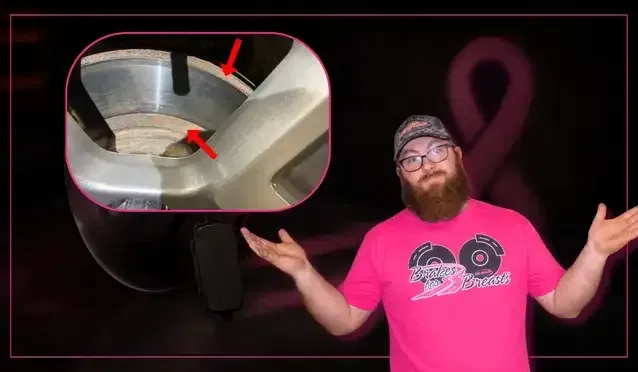
A bearded presenter gestures beside an inset close-up of a metal device with red arrows pointing to its parts.
By Lee Myles Auto Care & Transmissions • October 14, 2026
One of the most common questions people have when they hear they need brakes is:
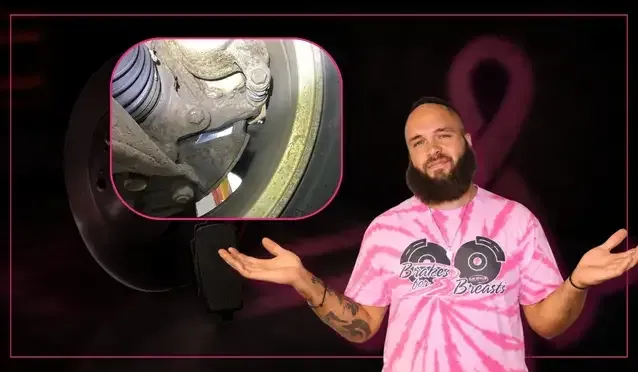
Bearded presenter in a pink graphic shirt gestures toward an inset close-up of a mechanical part.
By Lee Myles Auto Care & Transmissions • October 7, 2026
Your car should not have its own soundtrack.

Two smiling people in matching pink shirts pose beside a vinyl record and pink ribbon, with a breast cancer awareness logo.
By Lee Myles Auto Care & Transmissions • September 30, 2026
October is here, which means Brakes for Breasts is back at Lee Myles Southeast PA.

A man gives two thumbs up beside an inset showing a hand holding a small glass of red liquid.
By Lee Myles Auto Care & Transmissions • September 23, 2026
If you've ever searched, "Why is my car shifting weird?" or "My transmission hesitates when I accelerate," you're not alone.
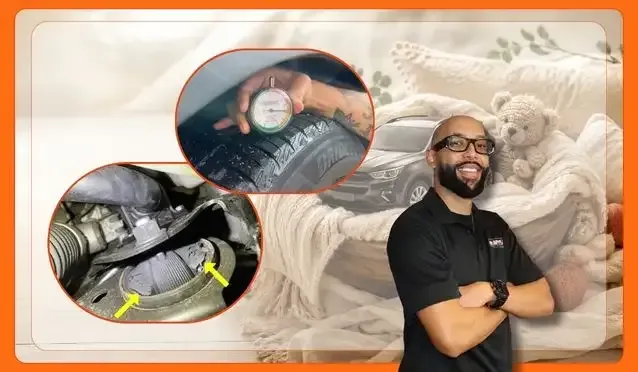
Smiling technician in a black shirt stands beside two circular close-ups of equipment, framed by a warm orange border.
By Lee Myles Auto Care & Transmissions • September 16, 2026
When people think about keeping their family safe in the car, they usually think about car seats, booster seats, and making sure everyone is buckled up.

Show More