
El Mito del Millaje: “Mi Auto Tiene Demasiadas Millas”

Lee Myles Auto Care & Transmissions • January 14, 2026

Share this article

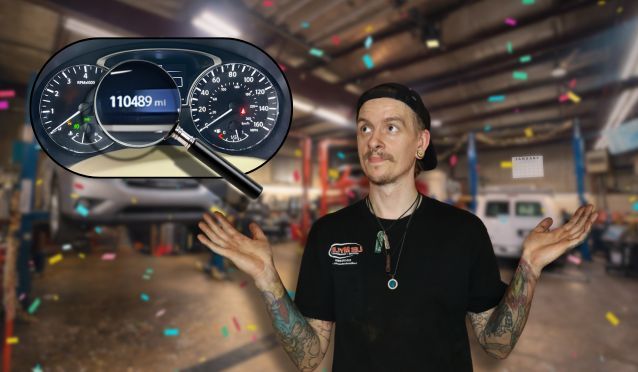
Miras el odómetro y ahí está.
100,000 millas.
O peor aún —  150,000.  

De repente, tu auto que funcionaba perfectamente parece estar viviendo tiempo prestado. Empiezas a escuchar ruidos imaginarios. Juras que “ya no maneja igual”. Y en algún lugar de tu mente, una voz susurra:  “Probablemente ya es hora de un auto nuevo.”  

Aquí está la verdad que muchos conductores del Condado de Berks no escuchan:
El millaje por sí solo no determina el valor de un auto — ni su vida útil.  

En Lee Myles Auto Care & Transmissions, ayudamos a conductores en Reading (19607), Birdsboro (19508), Sinking Spring (19608) y Wyomissing (19610 )  a separar los mitos del millaje de la realidad mecánica. 


Por Qué las 100,000 Millas Dan Tanto Miedo (Pero No Deberían) 

Muchas personas creen que un auto “ya no sirve” al llegar a las 100,000 millas porque es cuando los fabricantes recomiendan servicios de mantenimiento más grandes. Cosas como  correas,  fluidos, inspecciones de la  suspensión  y servicios de  transmisión  suelen realizarse entre las  60,000 y 100,000 millas . 

Eso no significa que el auto esté fallando.
Significa que está entrando en su  siguiente etapa . 

Los concesionarios saben que las 100k son un obstáculo emocional y psicológico. Por eso los valores de intercambio bajan de repente — no porque el auto valga menos mecánicamente, sino porque los conductores se ponen nerviosos. 

¿La realidad?
Un vehículo bien mantenido con 100,000 millas a menudo apenas está comenzando. 


¿Cuánto Pueden Durar Realmente los Autos Hoy en Día? 

Los vehículos modernos están mejor construidos que nunca. Con mantenimiento regular, la mayoría de los autos puede alcanzar entre 250,000 y 300,000 millas. 

Y hay ejemplos reales que van mucho más allá. Existen casos documentados de conductores que han llegado a 500,000 millas, simplemente porque se mantuvieron al día con el mantenimiento. Una historia muy conocida es la de una trabajadora postal que superó un millón de millas con su SUV personal — y siguió conduciéndolo. 

¿Tu auto con 150k millas?
Probablemente esté bien.
¿Tú con 150k millas?
Entrando en pánico de todos modos. 


Qué Hace Que Tu Auto Valga Menos Como Intercambio 

El millaje no es lo que “mata” a un auto. Estas cosas sí lo hacen: 

  • Óxido o corrosión estructural 
  • Daños importantes en la carrocería o el interior 
  • Ruidos de fricción, golpeteo o traqueteo 
  • Estar fuera de inspección 
  • Fugas de fluidos que se ignoran 
  • Sospecha de daños graves en el motor o la transmisión 
  • Llantas lisas (solo esto puede reducir el valor de intercambio entre  $500 y $800 ) 
  • Olores fuertes en el interior o una cabina muy descuidada 

¿Notas qué falta en la lista?
El odómetro .  


Por Qué el Mantenimiento Gana Frente a los Pagos Mensuales 

El costo del mantenimiento entre las 100k y 150k millas es insignificante comparado con comenzar un nuevo pago mensual cada vez que tu auto cruza un límite psicológico. 

El mantenimiento se planea.
Los pagos son permanentes. 

Y cuando mantienes al día las inspecciones, los fluidos y las reparaciones, proteges no solo la confiabilidad — sino también el valor de reventa. 


Preguntas Comunes Que Escuchamos 

¿150,000 millas son demasiadas para un auto?
No, si ha sido bien mantenido. 

¿Debería reemplazar mi auto solo porque llegó a las 100k?
Definitivamente no. Generalmente ahí es cuando todavía le queda mucha vida. 

¿Pueden decirme honestamente si vale la pena quedarme con mi auto?
Sí — y lo hacemos todos los días. 


El Millaje No Es una Sentencia de Muerte — Es Solo un Número 

En Lee Myles Auto Care & Transmissions, ayudamos a conductores en Reading, Birdsboro, Sinking Spring y Wyomissing a tomar decisiones basadas en hechos, no en miedo. 

Antes de escribir el obituario de tu auto al llegar a las 100k millas,  déjanos revisarlo.  

Porque a veces, la decisión más inteligente no es un auto nuevo —
es confiar en el que ya pagaste.

Recent Posts

A presenter gestures beside a car, with inset images showing a dashboard gauge and a handheld diagnostic device.
November 18, 2026
Your dashboard lights up. Your car starts making a new noise. Something smells weird. And your immediate question is probably: “Can I keep driving my car like this?” Sometimes the answer is yes—for now. Sometimes it’s “schedule an appointment.” And sometimes it’s “pull over and shut the car off.” Here are six warning signs that can help you know the difference. 1. Flashing Check Engine Light STOP DRIVING Can you drive with a flashing Check Engine Light? You shouldn’t keep driving normally. A flashing Check Engine Light can indicate an active misfire severe enough to damage the catalytic converter. Find a safe place to pull over and shut the vehicle off. What about a solid Check Engine Light when the car seems to run normally? SCHEDULE IT It still needs attention, but it doesn’t always mean you need to stop immediately. 2. Temperature Gauge Suddenly in the Red STOP DRIVING If your temperature gauge climbs into the red or you see an overheating warning, continuing to drive can cause serious engine damage. Pull over safely and shut the engine off. Don’t open a hot cooling system. 3. Oil-Pressure Warning Light STOP DRIVING The oil-pressure warning light is different from an oil-change reminder. Low oil pressure can mean the engine isn’t getting the lubrication it needs. Continuing to drive could cause major engine damage. 4. Smoke Coming From Your Car STOP DRIVING Smoke from under the hood, exhaust, or another area of the vehicle deserves immediate attention—especially if it’s accompanied by a warning light, overheating, loss of power, or a strong smell. Pull over somewhere safe and shut the vehicle off. 5. Sudden Loss of Power STOP DRIVING If your car suddenly loses significant power, struggles to accelerate, or behaves unpredictably, don’t try to push it the rest of the way down Route 422 just to make it home. Get somewhere safe and have the vehicle evaluated. 6. A New Noise or Smell This one depends on what you’re experiencing. SCHEDULE IT: A small new noise while the vehicle otherwise drives normally. STOP DRIVING: Burning smells, strong fuel odors, smoke, major grinding, or a symptom that suddenly affects how the vehicle drives.
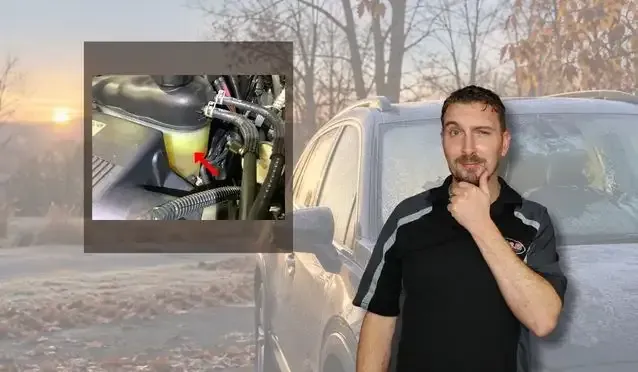
A man in a black shirt stands beside a vehicle, with an inset showing its open engine compartment.
By Lee Myles Auto Care & Transmissions • November 11, 2026
You turn the heat all the way up. The fan is blasting. Ten minutes later, you’re still driving through Berks County wearing gloves inside your car.
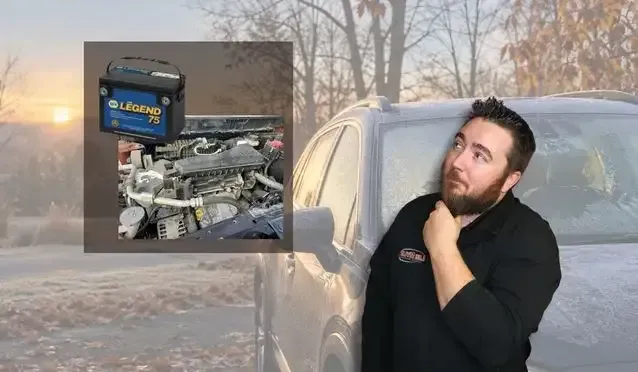
A man in black stands beside a silver vehicle, hand on chin; an inset shows an engine bay with a battery.
By Lee Myles Auto Care & Transmissions • November 4, 2026
It’s a cold morning in Berks County. You start the car, turn the heat up, and let it sit while you finish getting ready.
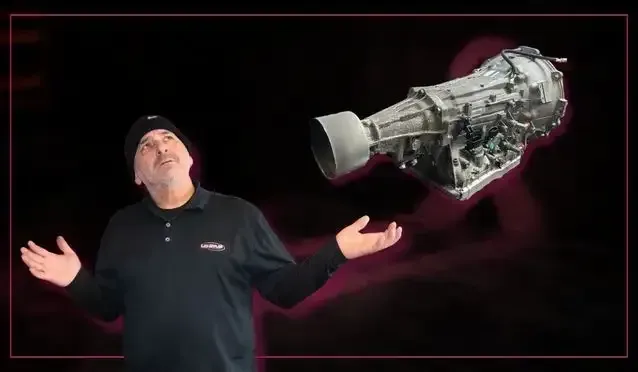
A presenter gestures beside a floating cutaway model of a mechanical assembly against a dark background.
By Lee Myles Auto Care & Transmissions • October 28, 2026
“My transmission is going.”
A person in a bright pink shirt stands with arms crossed beside two inset photos of a gray device.
By Lee Myles Auto Care & Transmissions • October 21, 2026
There are some automotive myths that are harmless.
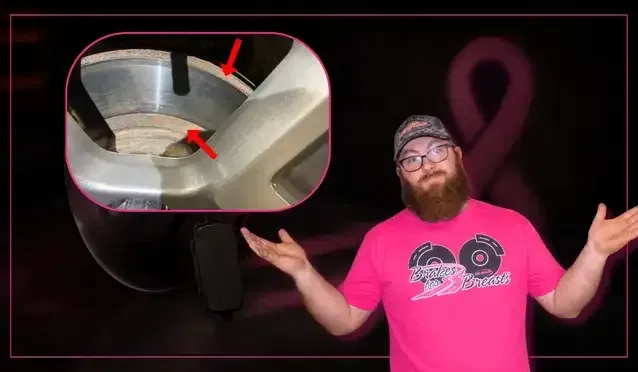
A bearded presenter gestures beside an inset close-up of a metal device with red arrows pointing to its parts.
By Lee Myles Auto Care & Transmissions • October 14, 2026
One of the most common questions people have when they hear they need brakes is:
Bearded presenter in a pink graphic shirt gestures toward an inset close-up of a mechanical part.
By Lee Myles Auto Care & Transmissions • October 7, 2026
Your car should not have its own soundtrack.

Two smiling people in matching pink shirts pose beside a vinyl record and pink ribbon, with a breast cancer awareness logo.
By Lee Myles Auto Care & Transmissions • September 30, 2026
October is here, which means Brakes for Breasts is back at Lee Myles Southeast PA.

A man gives two thumbs up beside an inset showing a hand holding a small glass of red liquid.
By Lee Myles Auto Care & Transmissions • September 23, 2026
If you've ever searched, "Why is my car shifting weird?" or "My transmission hesitates when I accelerate," you're not alone.
Smiling technician in a black shirt stands beside two circular close-ups of equipment, framed by a warm orange border.
By Lee Myles Auto Care & Transmissions • September 16, 2026
When people think about keeping their family safe in the car, they usually think about car seats, booster seats, and making sure everyone is buckled up.

Show More